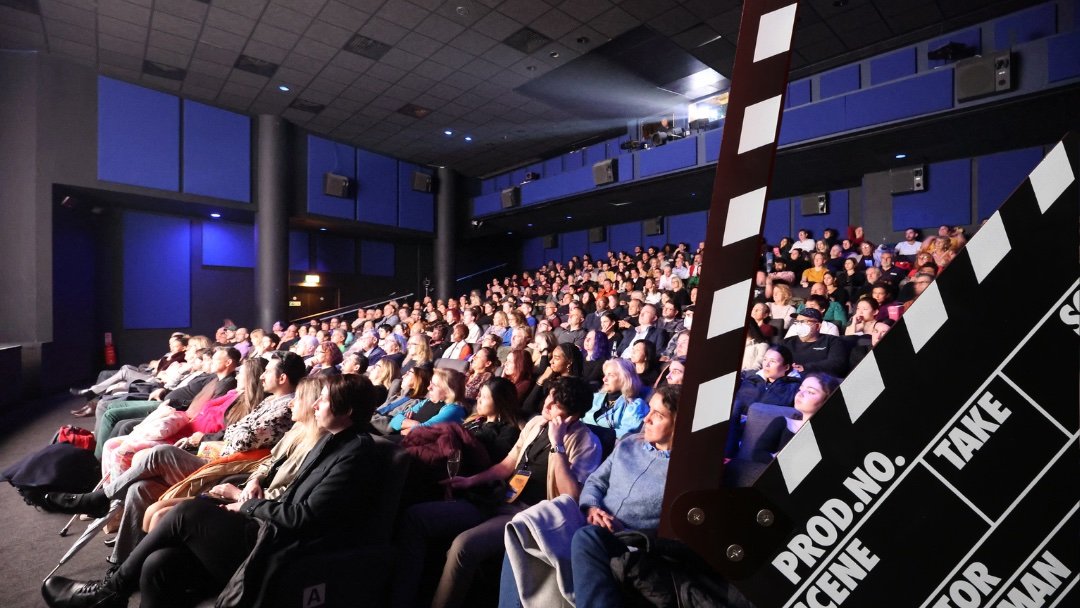

In today’s dynamic media landscape, independent filmmakers stand as the true mavericks of storytelling. These passionate creators don’t just make movies; they craft narratives that challenge conventions, break boundaries, and often accomplish the impossible with limited resources. Since 1992, the passionate team at Raindance has witnessed firsthand how independent filmmaking has evolved from a fringe movement to a powerful force in global cinema.
What Makes an Independent Filmmaker?
At its core, an independent filmmaker is someone who pursues their vision outside the traditional studio system. But it’s more than just working without major studio backing – it’s about embracing a mindset of creative freedom and resourcefulness. Independent filmmakers are characterised by their ability to:
- Turn limitations into creative opportunities
- Build passionate teams around their vision
- Maintain artistic control over their projects
- Adapt quickly to changing circumstances
- Find innovative solutions to production challenges
The Modern Independent Filmmaker’s Toolkit
Today’s independent filmmakers benefit from technological advances that would have seemed impossible just a decade ago. High-quality digital cameras, accessible editing software, and online distribution platforms have democratised filmmaking. However, the real toolkit extends beyond equipment:
1. Technical Versatility
Modern indie filmmakers often wear multiple hats – director, producer, editor, and sometimes even actor. This multi-disciplinary approach isn’t just about saving money; it’s about maintaining a cohesive vision throughout the creative process.
2 . Business Acumen
Successful independent filmmakers understand that passion alone isn’t enough. They develop skills in:
- Budget management
- Project pitching
- Marketing and promotion
- Distribution strategy
- Network building
3.Storytelling Excellence
Without big-budget special effects to fall back on, independent films must excel in fundamental storytelling.
This includes:
- Character development
- Narrative structure
- Visual composition
- Emotional authenticity
- Thematic depth
The Challenges and Rewards
Independent filmmaking isn’t for the faint of heart.
Common challenges include:
- Limited financial resources
- Complex scheduling with volunteer or low-paid crews
- Technical limitations
- Distribution hurdles
- Marketing on a shoestring budget
However, the rewards can be extraordinary:
- Complete creative control
- Direct connection with audiences
- Festival recognition
- Community impact
- Artistic fulfilment
The Future of Independent Film
As we move through 2025, independent filmmaking continues to evolve. Streaming platforms are increasingly interested in unique voices, and audiences are more willing than ever to embrace diverse storytelling styles. Virtual production techniques, once the domain of big-budget productions, are becoming accessible to independent creators.
The Rise of Micro-Budget Success Stories
Some of the most compelling films of recent years have come from independent filmmakers who embraced the “make what you can with what you have” philosophy. These success stories prove that budget constraints often lead to more creative solutions and more authentic storytelling.
Building a Sustainable Career
For many independent filmmakers, the goal isn’t just to make one film but to build a sustainable career.
This requires:
- Developing a distinct artistic voice
- Building a reliable network of collaborators
- Creating a body of work that attracts funding
- Establishing industry relationships
- Maintaining creative integrity while meeting market demands
The Community Aspect
Independent filmmaking is rarely a solo journey. Success often depends on building and nurturing a community of fellow creators, supporters, and mentors. Film festivals, workshops, and networking events provide crucial opportunities for:
- Skill development
- Project collaboration
- Industry connections
- Peer support
- Audience building
The Path Forward in 2025
As we’ve seen at Raindance since 1992, independent filmmaking continues to be a powerful force for storytelling innovation and cultural change. Whether working with a smartphone camera or a professional setup, today’s independent filmmakers have more tools and opportunities than ever to bring their visions to life.
The key to success lies not in having unlimited resources but in making the most of what’s available. It’s about telling stories that matter, connecting with audiences, and maintaining the courage to pursue a unique creative vision. As the founders of the British Independent Film Awards and champions of maverick filmmaking, we continue to believe that many of the most important voices in cinema will emerge from the independent film community.
For those embarking on their independent filmmaking journey, remember: every major filmmaker started somewhere, and every limitation can become an opportunity for innovation. The future of cinema depends on the bold visions of independent creators who dare to tell their stories, their way.
Next Steps:
- Book your place at our Saturday Film School or 99 Minute Film School
- Join our filmmaker community
- Subscribe to our newsletter for more success stories
- Follow us on social media for daily inspiration
- Explore cutting-edge Film Degree programmes at Raindance
- Submit your film to the Raindance Film Festival 2026

Photo Credit: Bertie Watson
I founded Raindance Film Festival in 1993 because the British film industry was closed, polite, and congratulating itself while shutting new filmmakers out.
I co-founded the British Independent Film Awards in 1998 because British indie film deserved more than a shrug, a pat on the head, and a Tuesday night screening.
Raindance didn’t start as a brand. It started as a rebellion: film training without gatekeepers, a festival without permission, and a community built by filmmakers who weren’t waiting to be invited in.
Later, we took it global: Toronto, Vancouver, New York, LA, Berlin, and Brussels, because independent film doesn’t belong to one city, one class, or one accent.
I’ve produced 700+ short films and seven features, including Deadly Virtues (2014) and ALICE, which won the SXSW Grand Jury Prize (2019) not because someone “discovered” us, but because the work earned its place.
I’ve written three books used by filmmakers worldwide because too many courses taught compliance instead of survival.
In 2009, I was awarded a PhD for services to film education, ironic, given that most of my career has been about tearing down the rules that education insisted you follow.
I don’t believe in waiting for permission.I believe in making work, building systems, and forcing the industry to catch up.
Specialties: Independent Film (the real kind) · Producing · Writing · Film Education · Festivals · Breaking Broken Systems
Check out my new Substack for in depth Free Articles:
