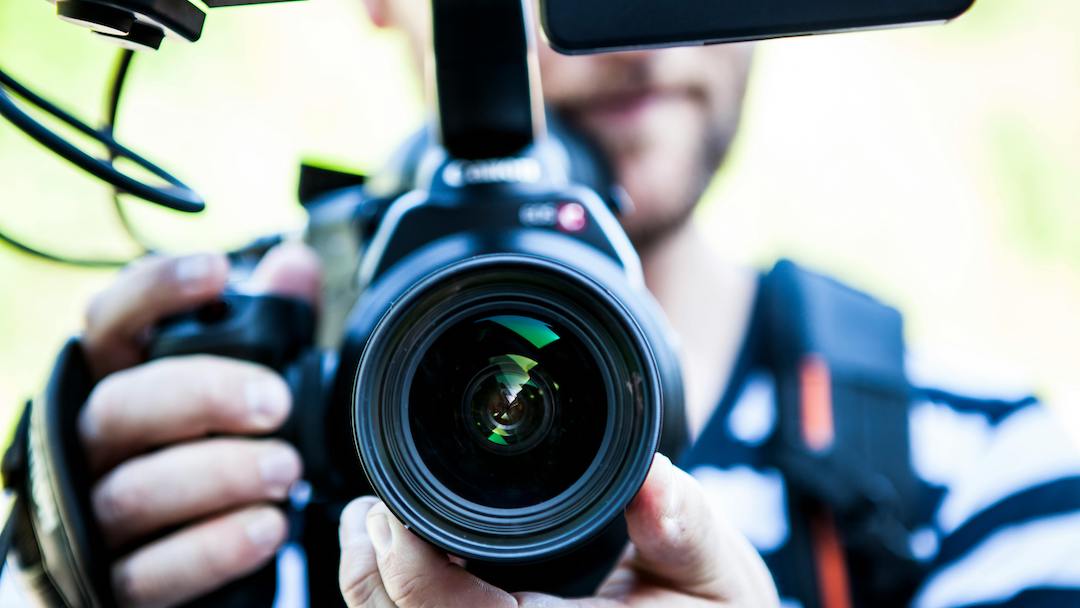

Making movies in small apartments can be quite challenging. Limited space, controlled lighting, and everyday sounds can restrict creative freedom. However, a better understanding of this environment allows filmmakers to transform this limited space into opportunities.
Here are some tips on how you can use apartment spaces to create visually and emotionally impactful stories:
Location Scouting
Finding the right apartment goes beyond mere aesthetics. Whether you’re renting a furnished apartment or designing an empty space, there’s more to consider than unique architectural features and distinct interior designs.
One tip is to look for spaces with ample natural light sources since this creates a visually pleasing atmosphere. Pay close attention to the layout of the space – is it open and airy, or does it have distinct sections that you can utilize for different scenes?
The overall ambiance is also important. For example, does the location exude warmth and comfort, or a more sterile and modern feel? Choosing an apartment that complements the tone and narrative of your film is key.
Natural Light
As mentioned earlier, natural light sources create a visually pleasing atmosphere. Natural light is a filmmaker’s best friend, and apartments can offer several lighting possibilities.
To maximize natural light, strategically position your actors and props to make the most of available light sources like windows and skylights. Consider the time of day and how sunlight interacts with the space throughout the day.
Shooting during golden hour can bathe the scene in a warm, inviting glow. On the other hand, shooting in the midday sun can create harsh shadows and contrasts. When you understand how natural light behaves, you can create specific moods and atmospheres within the apartment setting.
Camera Placement and Movement
Transforming a static space like an apartment into a visually dynamic environment requires thoughtful camera placement and movement. Experiment with different angles and techniques to create depth and interest.
Film handheld shots to convey a sense of intimacy and immediacy. Or, explore low angles to create a sense of power or vulnerability.
Don’t be afraid to get creative and try unique perspectives as well. For example, you can shoot through doorways or from unexpected vantage points to keep the audience engaged.
Depth of Field
Depth of field, the area of focus in an image, is a powerful tool for directing the viewer’s attention within the apartment scene.
Employing a shallow depth of field allows you to isolate specific elements. It focuses on the characters, a significant object, or a particular detail within the frame. This technique can create a sense of intimacy and emphasize emotional moments.
Conversely, deep field depth keeps the foreground and background elements in sharp focus. It showcases the entirety of the apartment and establishes the setting.
Experimenting with different focal lengths and aperture settings allows you to achieve the desired effect. This guides the audience’s visual journey through the apartment space.
Sound Design
The soundscape of an apartment scene plays a crucial role in transporting the audience into the heart of the narrative. Beyond dialogue, incorporating ambient noises breathes life into the space.
Sound design extends beyond mere background noise. Strategic use of music and sound effects can elevate the emotional impact of specific moments. Various genres of music can evoke different moods, from uplifting and hopeful to suspenseful and tense.
A good selection of sound elements crafts an immersive soundscape. This complements the visuals and amplifies the emotional resonance of the story.
Color Palette
Your apartment scenes’ color palette and lighting scheme significantly impact the mood and atmosphere. Consider the emotional tone you want to convey and choose a color palette that enhances it. Here’s how different colors show various emotions:
- Warm tones: Evoke comfort, coziness, or tension.
- Cool tones: Create calmness, suspense, or sterility.
- Vibrant colors: Inject energy and liveliness.
Remember, the interplay of color and light sets the stage for the emotional journey of your characters and story within the confines of the apartment.
Character Movement and Blocking
Lastly, character movement and blocking become powerful tools for storytelling within the confines of an apartment. The way characters move through the environment and their interactions with each other and their surroundings, play a crucial role in depicting relationships, conflicts, and emotions.
Blocking, the deliberate positioning of actors and props within the frame, plays a vital role in guiding the audience’s attention and reinforcing the narrative. For example, a close-up shot of two characters facing each other intensifies a tense dialogue. By thoughtfully choreographing movement and blocking, filmmakers can utilize the limited space of an apartment.
Summary
Filming in apartments offers unique opportunities for a filmmaker’s creativity. Various elements all contribute to creating a compelling and immersive apartment scene. Carefully considering and manipulating these elements allows filmmakers to tell a powerful story within the confines of an apartment setting.

Chatty is a freelance writer from Manila. She finds joy in inspiring and educating others through writing. That’s why aside from her job as a language evaluator for local and international students, she spends her leisure time writing about various topics such as lifestyle, technology, and business.
