
Recently, I decided to participate in the Raindance One-Minute Short Film Contest – Valentine’s Day Edition, and I failed big time. I shot something that, in the end, just didn’t work in the edit.
I’ve been shooting for the past ten years, and this was my first big failure as a filmmaker. So, I wanted to write about my takeaways in the hope of helping someone else avoid the same mistakes.
1 – Script, script, script
When I found out about the Raindance contest on social media, I was excited. The opportunity to have a film shown at the festival was very appealing. I came up with a strong concept and pitched it to friends to see their reactions. The feedback was great, everyone was really positive about the idea. I was hyped.
But the truth is, no matter how great an idea is, if the script isn’t well-structured, it won’t make an impact. My script wasn’t bad, but I realised too late that it lacked the structure necessary to work within 60 seconds.
Takeaway 1: Make sure your script is solid, or don’t bother shooting it. Having a good idea is not enough, as storytellers we need to tell ‘good stories, well told’.
2 – Timing
If I’m being honest, I started working on the short way too late, with only a week to deliver the final cut. After coming up with the concept, I got overconfident and postponed pre-production until one week before the deadline. I focused on other projects instead, thinking I’d have enough time to pull it off. I was wrong. Rushing through everything meant I didn’t think things through properly.
Takeaway 2: Taking the time to do things properly is essential in filmmaking. Especially in no-to-low-budget projects, finding the right people and resources is crucial. In my case, due to time constraints, I worked with what I had, without realising that it didn’t fit the film’s tone.
3 – Production Design
I decided to shoot in my own apartment for convenience. My idea was to create an aseptic, almost surreal environment to enhance the film’s tone. But I didn’t put enough effort into production design, and instead of a carefully crafted visual, I ended up with bland white walls that added nothing to the story. A more thought-out location, or even just dressing the space differently could have made a huge difference.
Takeaway 3: Everything in the frame helps tell the story. Even on a budget, you need to craft visuals that support the film’s atmosphere and tone.
4 – Casting

With no budget and no time, I cast non-professional actors (aka, my friends). It didn’t work. Their performances felt off, and the chemistry between them was nonexistent. I should have known better, but I made this mistake anyway.
Takeaway 4: Good casting is as important as every other aspect of pre-production. Professional actors who truly understand their characters bring the film to the next level. It’s worth spending more to cast the right people rather than saving money and getting weak performances.
5 – Editing & Post-Production
Despite being an experienced editor, I realised too late that my film simply wasn’t working. The pacing was off, and no amount of clever cutting could fix structural issues. A well-edited film starts long before post-production, it begins with a strong script and a well-executed shoot.
Takeaway 5: Post-production isn’t a magic wand. If the story, performance and visuals aren’t strong from the start, even the best editing won’t save them.
Turning Failure into Growth

Even though this project didn’t turn out the way I hoped, I don’t regret making it. Every failure teaches something valuable, and in this case, I was reminded of the fundamentals: strong storytelling, proper planning, and the importance of assembling the right team.
This experience also reinforced my passion for dark and ironic storytelling, something I’m now channeling into my next project, The Neighbour, a dark comedy\mystery thriller. It’s a story I’ve been developing for a while, and I’m taking all the lessons from this failed short film to make a strong genre piece that engage and thrill audiences.
Whats next?
Right now, I’m in preproduction for The Neighbour. The script is done, and I’m fine-tuning the details. I’m also taking part in an anthology horror short film series inspired by Ed Wood (the worst director ever remembered; after this failure, I deeply relate). On top of that, I’m writing my first feature film screenplay.
Filmmaking is all about learning, growing, and pushing forward. So if you’ve ever had a project that didn’t work out, don’t let it stop you. Take what you’ve learned and apply it to the next one.
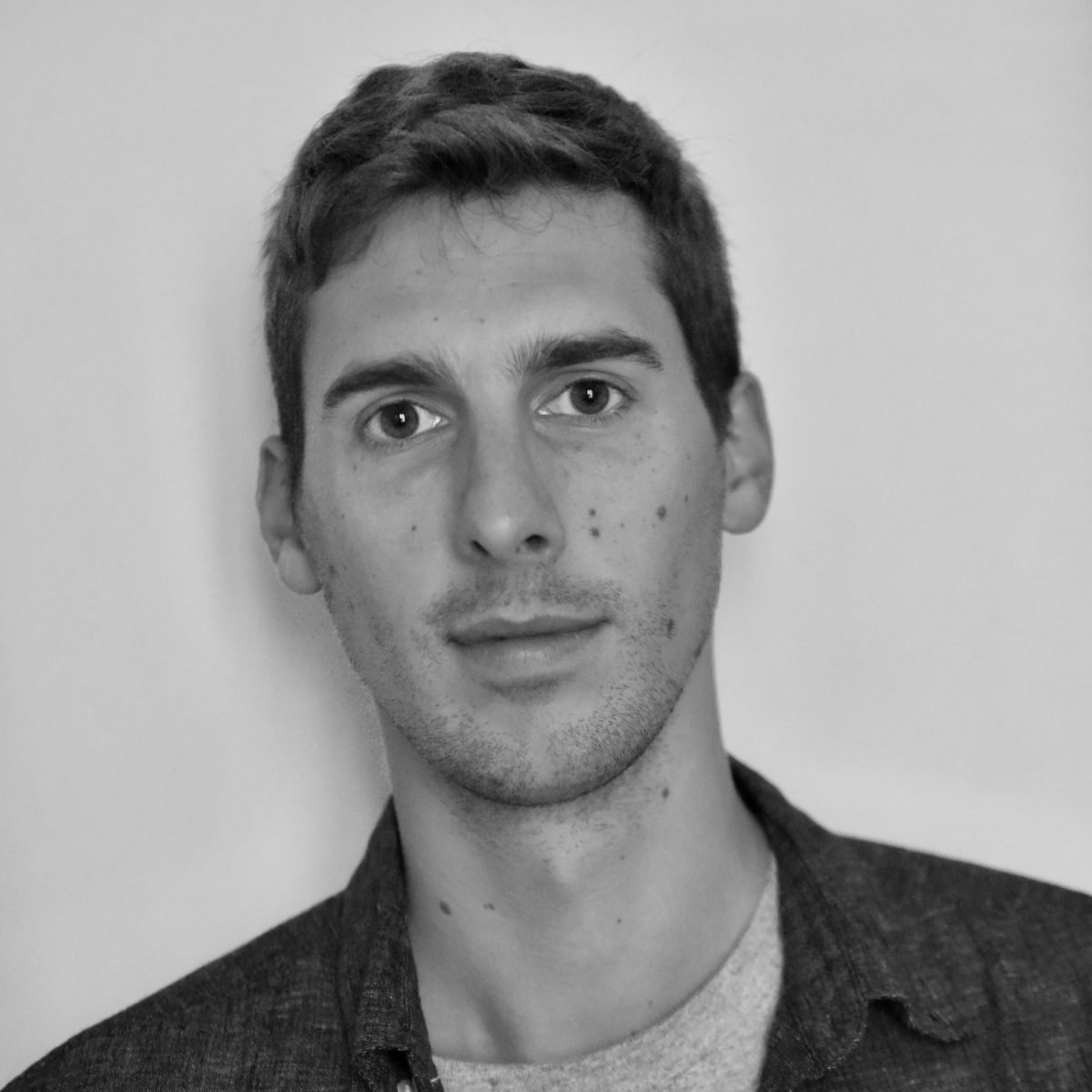
Nicolò Riboni is a producer&director graduated with an MA in Film Directing at the Raindance Film School.
His passion for film began at an early age, and he immersed himself in all facets of production, collaborating with industry-leading companies and undertaking independent projects.
This diverse background has shaped him into a versatile storyteller.
If you want to follow his filmmaking journey or just say hi you can find him on Instagram @nicoriboni
