
Christmas morning, 2024. You might find it out of character for me to subscribe to the Financial Times app. The reason is that I am always looking for new trends – and the FT isn’t the only thing I subscribe to. And trends and how people respond to them are reasons why storytelling is important. It is also a great barometer on what trends are developing that we, as storytellers, can respond to.
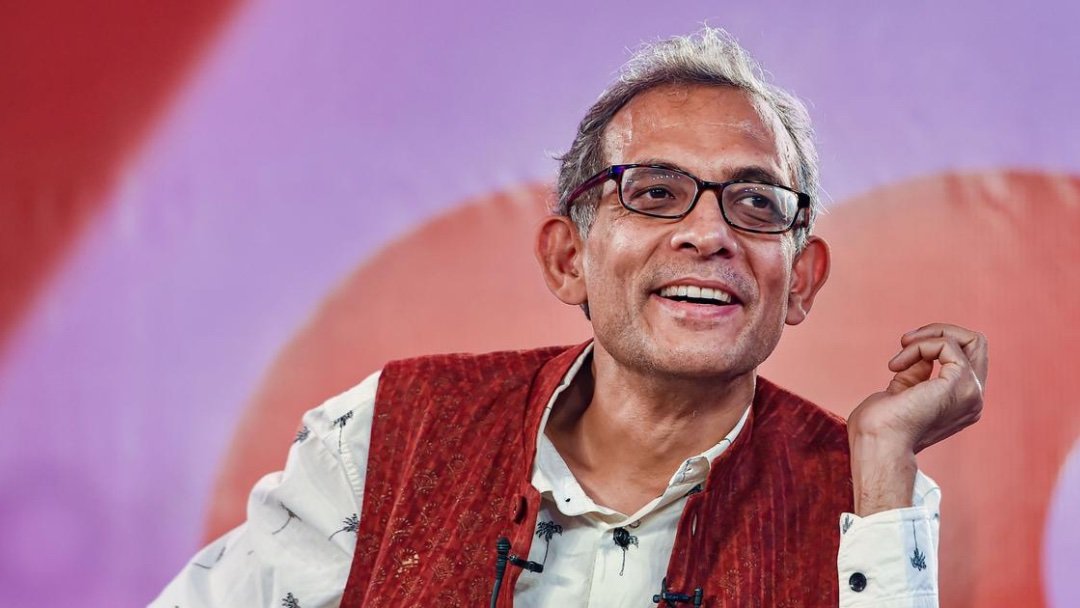
The reason I like the FT is because it blends commerce with creativity – and every day I get 8 new articles on a wide range of topics. This morning’s batch included a brilliant FT interview with the Indian/American economist, Abhijit Banerjee. I had never heard of him before, but what caught my attention was the headline of his interview: ‘Good storytellers are very powerful’
Allow me to condense this brilliant article should you not wish to subscribe and get the entire article here.
Storytelling has always been a powerful tool for shaping understanding, influencing perspectives, and driving action. Economist Abhijit Banerjee exemplifies this in his career and public engagements, where his ability to connect complex ideas with relatable narratives plays a central role. His insights reveal the profound value of storytelling across disciplines, especially in economics and policy. And with it is great guidance for filmmakers. Here’s why storytelling is vital, illustrated through Banerjee’s example:
1. Simplifying Complexity
2. Building Connection and Empathy
3. Shaping Public Discourse
Banerjee and his wife, Esther Duflo, authored Poor Economics to bring economic ideas into the public discourse. By embedding their research in stories, they encouraged readers to think critically about policies affecting the poor. Wow – a radical approach and a great challenge to filmmakers to make stories that enlighten audiences about topics of social impact.
4. Countering Misinformation
5. Driving Change
6. Empowering the Marginalised
Fade Out: The Broader Implications of Storytelling
Banerjee’s recognition of Trump’s storytelling power is a reminder of how narratives influence not just individuals but entire nations. As he points out, storytelling shapes perceptions of inequality, identity, and opportunity, making it a crucial tool for economists, politicians, and leaders.
By weaving his personal experiences, cultural observations, and economic insights into compelling stories, Banerjee demonstrates the transformative potential of storytelling to educate, connect, and inspire. For societies to embrace better ideas and policies, as Banerjee suggests, they need narratives that resonate with their realities, aspirations, and emotions.
What is this thing called Raindance?
Raindance is all about storytelling. It’s easy to dream about being a filmmaker. But turning that dream into reality requires action. Here are some ways you can kick-start your career:
1.Why not Join Raindance?
Over a thousand videos, screenplays and tutorials. Plus you get discounts on each of our evening and weekend courses.
2. Raindance’s training courses
Let Raindance guide you through every stage of the process — idea, script, production, post-production, and distribution.
Ready to turn your film dream into reality?
Check out Raindance’s short courses here.
Check out the Raindance Degree Courses here.
If you’ve been waiting for a sign to start your filmmaking journey, this is it. Enrol in a course, join a community, and watch your dream unfold, frame by frame.
Your future film career is waiting.

Photo Credit: Bertie Watson
I founded Raindance Film Festival in 1993 because the British film industry was closed, polite, and congratulating itself while shutting new filmmakers out.
I co-founded the British Independent Film Awards in 1998 because British indie film deserved more than a shrug, a pat on the head, and a Tuesday night screening.
Raindance didn’t start as a brand. It started as a rebellion: film training without gatekeepers, a festival without permission, and a community built by filmmakers who weren’t waiting to be invited in.
Later, we took it global: Toronto, Vancouver, New York, LA, Berlin, and Brussels, because independent film doesn’t belong to one city, one class, or one accent.
I’ve produced 700+ short films and seven features, including Deadly Virtues (2014) and ALICE, which won the SXSW Grand Jury Prize (2019) not because someone “discovered” us, but because the work earned its place.
I’ve written three books used by filmmakers worldwide because too many courses taught compliance instead of survival.
In 2009, I was awarded a PhD for services to film education, ironic, given that most of my career has been about tearing down the rules that education insisted you follow.
I don’t believe in waiting for permission.I believe in making work, building systems, and forcing the industry to catch up.
Specialties: Independent Film (the real kind) · Producing · Writing · Film Education · Festivals · Breaking Broken Systems
Check out my new Substack for in depth Free Articles:
