

Some filmmakers shoot and produce their films without being too concerned about the type of media they use. They go as far as editing videos that aren’t theirs or using footage that includes random people.
It’s understandable to have a strong desire to use different clips to get your desired effect. However, there are many nuances to consider throughout the whole production process. Ignoring these mistakes can result in legal action, ensuring your film will never see the light of day.
Defining Media Use
Media use refers to the videos and music you use in your film. Most filmmakers will shoot new footage or create soundtracks for their movies to make their products unique. Plus, using your footage lowers the likelihood of breaching copyright laws.
That said, even big studios can sometimes use publicly available media. For instance, documentaries can include stock footage of different animals. Using those clips allows them to save resources from shooting and focus on other aspects of their production.
Amateur filmmakers may resort to the same methods, especially if they have a limited budget to procure recordings and instrumentals for their films. You have to know what you can and can’t use, though. Ignorance can lead to legal action and ruin your reputation.
Media to Review Before Using
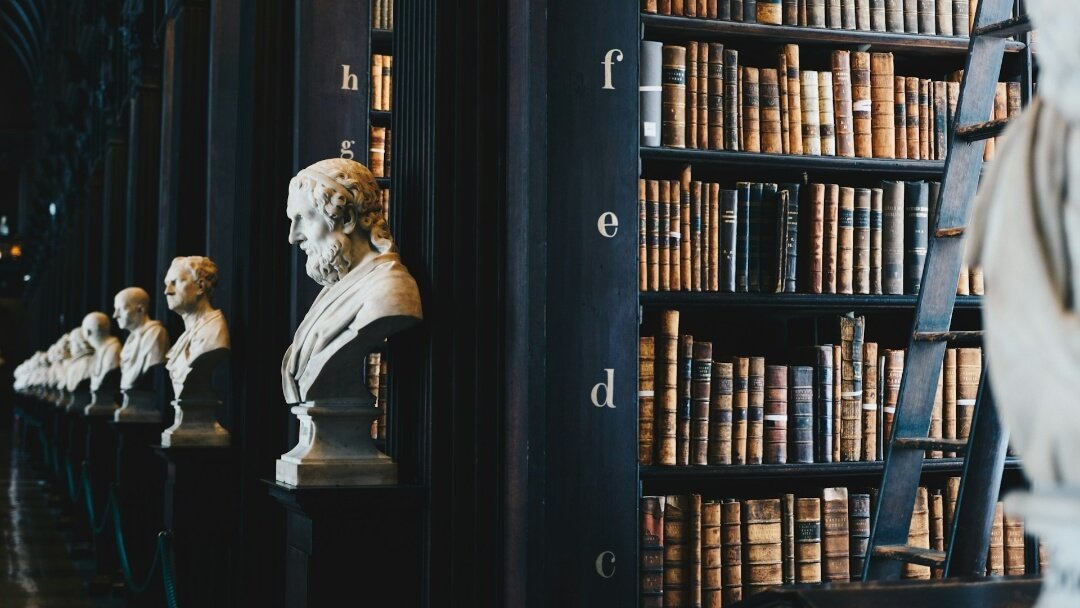
Before including anything, reviewing whether it’s safe to use in your film’s final cut is essential. Some clips simply must be omitted, and it’s best to do so while on a draft.
1. Personal Footage
Footage that filmmakers take is generally OK to use. However, there are certain subjects you may want to consider, as including them can result in legal action. Here are some examples:
- Strangers: Using the face, name and image of a stranger in your film can be a dangerous game. Many gray areas exist when recording a person, as most public places allow video and audio recordings. With the age of social media, many individuals are more protective of their privacy than ever before.
- Children: Recording children is not necessarily illegal. However, it’s discouraged to use media of underage individuals. Even news networks blur out the faces of kids when they are shown on TV. The only times it’s understandable to share clips of a child is when they are an actor and there’s parental consent.
- Products: Product placement is its own tricky legal subject in the movie industry. Avoid unnecessarily promoting companies, especially without authorization. There are also unspoken rules, like how multiple countries have banned showing tobacco brands in films. Steer clear of filming medication or alcohol brands.
2. Famous Film Clips
Do you want to pay tribute to your favorite film or actor by including a clip of their movie in your film? Find a different way to honor them instead. Celebrities have sued for the unauthorized use of their names and images, so it’s important to be particularly scrutinizing with your work, making sure not to accidentally step on any toes.
3. Popular Music
Inspiring songs can be the perfect background music for lively montages or emotional scenes. However, using certain tunes can result in legal action due to copyright infringement. Seek royalty-free music to download and use in your video creations instead. You can also contact a music producer and make a couple of deals.
4. Internet Videos
The internet is a gold mine for all sorts of things, but not all clips are available for amateur filmmakers. For example, YouTube provides ownership rights to content creators, who may have their own conditions and availability regarding use. To stay safe, look for stock videos that are free for everyone to edit and use.
Other Important Media Use Tips

Reviewing your clips can provide a solid foundation for steering clear of legal action. There are several other things to consider when using media in films.
1. Face the Consequences
Oversights can lead to complaints and legal cases on media use. Some may consider running from the law and having a highway race like those old car movies. However, it can do more harm than good. Face the results of your actions and make reparations. Take the situation as a lesson when all is said and done.
2. Protect Your Media Pieces
Many people copyright their work, undergoing various legal requirements to obtain the license and protect their movies. Once you finally produce a film, you can seek the same protection. Just remember to ask entertainment attorneys for legal advice before diving into contracts and interpreting copyright laws.
3. Request People’s Consent
Do you have footage you’re unsure of deleting and keeping for your film? Explain to people what you’re recording and ask for their consent. If they turn it down, don’t take it personally. Get rid of the footage. If they say yes, then you’re in the clear. Take notes if they have special requests — some people may want to be cropped or receive credit.
4. Verify Intellectual Property Rights
Some websites claim to have royalty-free music or videos filmmakers can use but steal footage and songs from legitimate creators. Do the necessary research if it seems suspicious or too good to be true. Verify whether they have the intellectual property rights. You can also stick with reputable media sources in the future.
5. Check the Fine Print on Fair Use
Filmmakers may argue using copyrighted material in the name of fair use, forgoing permission from the owner of a media clip. However, conditions can change depending on the copyright clause. Some creators may only allow fair use of footage for nonprofit educational purposes, which rules out commercial distribution of your film.
Respect Media Use in Filmmaking
Respect begets respect when it comes to media use. Pay closer attention to what you’re shooting and editing to ensure you’re utilizing and including footage you’re allowed to. If you’re unsure, do more research and consult a legal expert. It’s much better to be safe than sorry.

