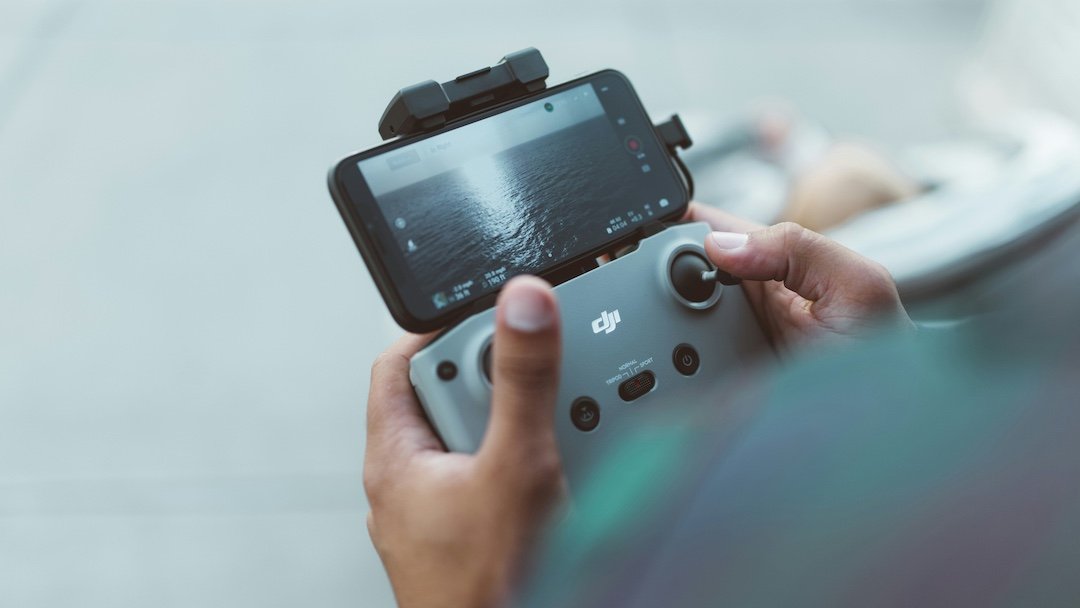

The creative possibilities of flight once meant expensive helicopter rentals, complex logistics, and limited shooting windows. Now, cinematographers send compact unmanned systems soaring through narrow urban canyons, skimming across waves, or threading through dense forest canopies. These nimble aerial platforms open up fresh visual perspectives while reducing production costs and simplifying logistics.
Independent filmmakers and major studios alike pair these systems with smart technologies to achieve precise camera movements and angles previously out of reach. From AI-assisted flight controls to automated tracking shots, the technical capabilities continue to advance. However, regulatory requirements and safety considerations remain central to their successful implementation. For filmmakers ready to add aerial cinematography to their creative toolkit, understanding the opportunities and challenges is essential.
Revolutionizing Cinematography with Unmanned Systems
State-of-the-art unmanned systems allow for capturing aerial footage while keeping production costs manageable. These systems offer practical advantages beyond traditional methods, making creative aerial shots accessible to productions of any size. As cinematographers explore innovative aerial techniques, they find unique ways to tell visual stories with these versatile tools.
From Helicopters to Drones
Budget constraints once limited aerial cinematography to major studio productions. Production teams needed extensive coordination for helicopter shoots, specialized equipment, and large crews. Today, however, aerial systems allow filmmaking teams to capture stunning overhead shots, intricate building playgrounds, and low-altitude tracking sequences in previously impossible ways.
Directors can now use drones to achieve distinctive shots serving their stories. Safety protocols and equipment regulations guide aerial filming practices, ensuring responsible operation while maintaining creative freedom. Film crews develop strategies to capture everything from intimate character moments to expansive establishing shots using unmanned camera platforms.
Technical Innovations Driving Change
Digital production methods continue evolving as new tools emerge. Network-connected cameras and automated flight systems give cinematographers unprecedented control over complex aerial sequences. Smart production workflows help teams plan shots, coordinate movements, and review footage efficiently while maintaining quality standards that meet audience expectations.
Modern film production increasingly relies on digital tools at every stage. From pre-visualization to final color grading, integrated systems help crews maintain consistent quality across all filming methods.
IoT and AI Enhancing Filmmaking Capabilities
Automated flight paths and precision controls now match cinematographers’ creative vision frame by frame. Modern production crews use innovative unmanned systems to blend computer assistance with artistic intent, expanding their visual storytelling options. The film industry’s adoption of Internet-connected devices and smart sensors adds depth to aerial cinematography. Behind each calculated movement lies a filmmaker’s creative impulse, brought to life through responsive digital controls.
AI-Powered Flight Control
Computer vision and machine learning allow unmanned systems to make split-second adjustments during complex shots. Camera operators set their desired framing while automated systems handle the technical aspects of flight, creating a collaborative approach between human creativity and machine precision. From sensor networks that monitor flight conditions to real-time data processing that guides camera movements, devices connected to the Internet of Things create new possibilities for aerial filmmaking.
Film crews now coordinate multiple unmanned systems through centralized control interfaces, expanding their shot options. These platforms communicate with each other and ground stations, sharing positional data and flight paths to maintain safe distances while executing choreographed movements.
Data-Driven Cinematography
As shots unfold, built-in monitoring systems feed cinematographers vital data about composition, exposure, and camera movement. Crew can use instant playback capabilities to spot subtle details and adjust their approach mid-shoot, preserving the creative momentum of each scene.
From pre-visualization to final capture, integrated software and intricate webs of sensors tie each production phase together. Lastly, it’s easier than ever to adapt flight paths and frame choices as scenes develop, and camera operators and ground crews can share real-time updates through networked tools.
Challenges and Ethical Considerations
Just beneath the stunning surface of every aerial shot lies a web of permits, safety protocols, and dull technical requirements. Nobody gets into cinematography for the fine print, but success still hinges on careful attention to both regulatory compliance and practical filming needs. Working within these constraints, filmmakers still discover fresh approaches to visual storytelling while meeting the highest safety standards.
Privacy and Public Safety
Aerial filming raises unique privacy concerns when footage is captured near private property. Film crews must balance their creative needs with public safety and personal privacy rights. Clear communication with local residents and careful shot planning help maintain positive community relations throughout production.
Setting up protective zones around sensitive areas requires careful planning and strict crew adherence. Dedicated spotters track pedestrian movement and monitor surrounding spaces, ready to adjust or halt filming when needed. This attention to privacy and safety builds community trust while protecting residents and production teams.
Production Planning
On-site prep makes or breaks aerial shoots. A location’s physical layout dictates shot planning and equipment needs, from dense tree cover to nearby structures. Early visits let crews spot dead zones in radio coverage, mark safe landing spots, and test for magnetic interference that could affect flight controls.
Shot complexity drives gear selection on set. Simple tracking shots need only a compact drone with basic stabilization, while intricate moves between buildings demand more sophisticated flight systems. Smart crews pack backup batteries, alternative control stations, and spare parts matched to their shooting location, whether they’re filming on a windswept beach or cramped in tight urban spaces.
Final Thoughts
Unmanned systems put new visual possibilities within reach for filmmakers at every budget level. Mastering these tools demands attention to creative and practical details – from understanding flight dynamics to managing weather conditions. However, for crews willing to navigate the technical requirements and safety protocols, these platforms open up fresh perspectives that serve the core purpose of any production: telling compelling visual stories.

Amanda Winstead is a writer from the Portland area with a background in communications and a passion for telling stories. Along with writing she enjoys traveling, reading, working out, and going to concerts. If you want to follow her writing journey, or even just say hi you can find her on Twitter.
