Without a clear plan, making an animated film can take forever. It’s like wandering in a maze with no map, wasting time and energy.
But with a step-by-step approach, things get easier.
On that note, here in this post, we’ll break down the process into simple steps, making it easier to understand. The systematic approach will unveil how you can make an animated film the smart way.
Steps Involved in Creating an Animated Film
All of the steps involved in creating an animated film can be majorly divided into three categories. These are as follows:
Pre-Production Steps

The pre-production phase is like laying the foundation for a building; it sets the groundwork for the entire project. It’s crucial because it ensures that everyone involved understands the vision and goals, and can take anywhere from a few weeks to several months, depending on the scale and complexity of the project.
Research
Before diving into the creative process, thorough research is essential. It lays the foundation for a compelling animated film.
This stage involves studying various aspects such as:
- Target audience
- Market trends
- Thematic elements relevant to the project
Analyzing existing works within the genre provides invaluable insights into what works and what can be innovated upon.
For example, if the project involves adapting a nursery rhyme, conducting comprehensive research involves studying the historical origins, cultural significance, and variations of these rhymes. Getting deep into the archives, folklore collections, and literary sources can provide valuable insights into the evolution of nursery rhymes over time. And you can use this to add a universal appeal to the visuals, script, or sound design.
Defining Scope of Project
Clear delineation of the project’s scope is essential to establish boundaries and set realistic expectations. This involves outlining the objectives, themes, and constraints that shape the narrative and production process.
Factors such as budget, timeline, and technical requirements must be carefully assessed to align with the creative vision while staying within practical lines. By defining the scope early on, teams can streamline workflows, mitigate risks, and ensure a cohesive direction throughout the production journey.
Writing the Script
At the heart of every compelling animated film lies a captivating script that drives the narrative forward. This step involves crafting a cohesive storyline, developing engaging characters, and delineating key plot points.
Collaborative brainstorming sessions among writers, directors, and producers facilitate the exploration of diverse ideas and perspectives. From drafting initial outlines to refining dialogue and scene transitions, the scriptwriting process demands precise attention to detail and a willingness to iterate until the narrative achieves its full potential.
Storyboarding
Storyboarding serves as the visual blueprint that translates the written script into a sequential series of images. This essential step allows filmmakers to visualize the pacing, composition, and visual style of each scene.
Storyboards not only aid in planning camera angles and character movements but also serve as a communication tool for the entire production team. Iterative revisions based on feedback ensure coherence between the script and the visual narrative, laying a solid foundation for the subsequent production stages.
Production Steps

The production is where the actual animation process occurs.
Illustration & Layout
Using digital tools and often 3D texturing software, artists may translate conceptual sketches and storyboards into detailed illustrations that define the look and feel of the characters, environments, and props. This process involves great attention to detail, from character designs to background landscapes, ensuring consistency and coherence throughout the animation.
Layout artists may need to establish the spatial composition of each scene, determining camera angles, perspectives, and spatial relationships to enhance storytelling impact. Collaboration between illustrators, layout artists, and directors is crucial to achieving the desired visual narrative and maintaining artistic integrity.
Voiceover Recording
Voiceover recording breathes life into animated characters, infusing them with personality, emotion, and depth. Talented voice actors lend their voices to bring characters to life, capturing nuances and expressions that resonate with audiences.
During recording sessions, directors provide guidance to ensure performances align with character traits and narrative context.
Animation
In this step, skilled animators leverage a combination of traditional animation principles and cutting-edge digital tools, including 3D texturing software, to breathe life into characters and imbue scenes with kinetic energy. From character movements to environmental effects, every frame is meticulously crafted to convey emotions, action, and narrative progression.
Collaboration between animators, riggers, and technical artists ensures seamless integration of character animation with backgrounds and special effects.
Post Production Steps
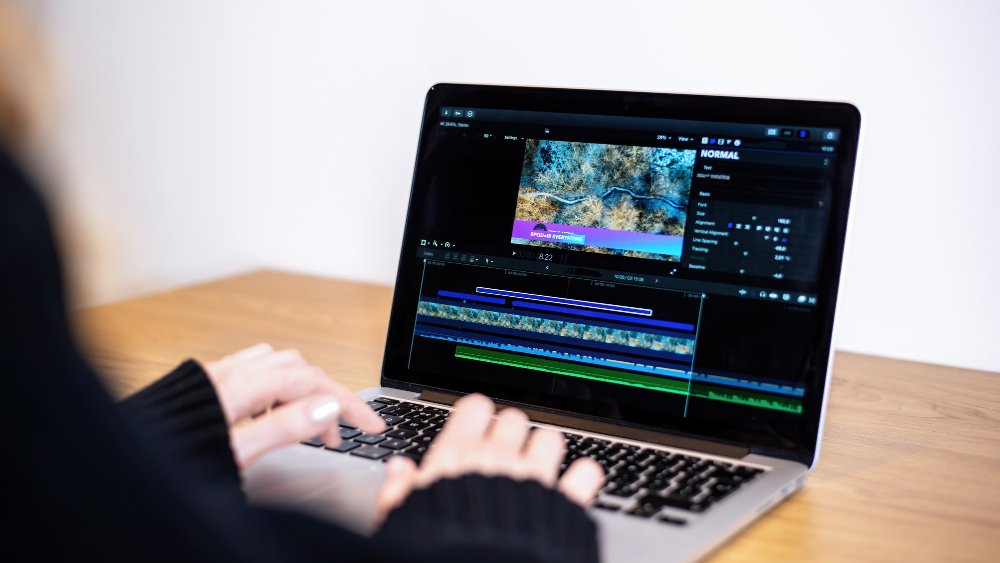
Post production involves refinement and improving the animation project for perfection.
Composting
Compositing is the final stage where individual elements such as characters, backgrounds, and effects are seamlessly integrated into cohesive visual sequences. Using specialized software, compositors layer and blend multiple elements to achieve desired visual aesthetics and narrative continuity.
Advanced compositing techniques, including green screen keying and color grading, enhance visual fidelity and coherence. Integration of 3D texturing software facilitates the manipulation of textures and lighting effects, adding depth and realism to composite shots.
Video & sound editing
Video and sound editing are the final touches that breathe life into animated films. Editors craft sequences, blending visuals with audio to create a seamless and captivating narrative. Utilizing advanced software, they refine pacing, transitions, and sound effects, ensuring coherence and emotional resonance.
Final Words
Summing up, creating an animated film demands a harmonious fusion of creativity, technology, and planning with precision. Remember, collaboration is key—leveraging diverse talents and perspectives enriches the storytelling process.
Additionally, staying adaptable to emerging tools and techniques ensures innovation and relevance in a dynamic industry. So, embrace the journey, push boundaries, and let your imagination soar as you embark on your animated filmmaking adventure!