
There are many elements to making a film, but none as important, technicalities aside, than emotionally engaging the viewer. Without that bond, you lose your audience. So what is it that allows the filmmaker to establish that necessary engagement? And more importantly, what encourages such engagement not because the character is likable, but because they connect on a psychological level? What will keep the viewer on-side regardless of actually liking the protagonist, or sometimes, even in spite of disliking them?
Questioning The Research
This was where I needed to find answers. I was developing stories where antiheroes replaced heroes and where the questioning of my character’s moral virtues became a central focus. I needed to know… Will the audience still like them? Will they disengage? How do I ensure they stay for the ride?
Vogul & Krakowiak suggested in 2013, that as long as your character’s reasons were altruistic, the viewer would overlook any bad behaviour they employed in reaching their goal. They also claimed that if the outcome of that behaviour was positive for the recipient specifically, this would further cement the viewers acceptance.
And what of the story itself? How does that lend glue to the bonding process?
Based on initial research, the two main areas for consideration in triggering viewers to connect emotionally were firstly, conflict, which has long been recognised as a driving force of a character’s story, and secondly, loss. Loss because Wanis (2019) suggests we bond through shared pain. The connection being that when a character experiences loss, the viewer automatically sympathises with that grief – so encouraging a further emotionally bonding response and the resultant emotional connection.
So What Traits Does A Character Need To Possess For Emotional Engagement?
Initially, I studied three films that gave the basic outline of an answer – the taste of it if you will: The Woodsman (2014), Breaking The Waves (1996) and Nightcrawler (2014). However, having now reviewed a further eighty films with antiheroes and morally questionable characters, I can confirm the results are standing up. Finally, a basic understanding of what is needed to cement that core emotional connection between viewer and protagonist is becoming evident: A formulaic approach for the development of both character and story to support an emotional bond.
Altruism is definitely an important personality trait for your character if you want them to be likable. Equally, however, if they are not so agreeable, ensuring their actions are chosen to benefit others is likely to result in the audience still supporting them. Basically, the viewer will morally disengage; suspending judgment of any unsavoury actions made in reaching those altruistic goals.
Does the outcome need to be positive as Vogal and Krakowiak’s study suggests? Well, from my research, no. Of the eighty films considered, not only were many of the character’s reasons lacking in any care for others, but positive outcomes came even further down the scale.
What About Conflict And Loss?
We know the research shows that if you ensure your protagonist has suffered loss, whether prior to the story’s commencement or during the film itself, the audience will identify with them. This means that even though their behaviour may be questionable, the viewer will remain on side. Good news for those filmmakers who have antiheroes or are developing films about real people who may not have the nice-neighbour qualities which could make it an easier ride.
Interestingly however, although a high percentage of the films reviewed did present protagonists who already had or currently were suffering from grief or loss in some way, it wasn’t an absolute necessity, with roughly only 10% of them employing loss as a bonding tool.
However, the big boy, the one thing that your story simply can not do without, is conflict. Now we know that conflict is needed to drive the story: For engagement of interest, for excitement, for building the character arc, etc., but this research shows that the inclusion of conflict is way more important than that.
Finding Love – Even When The Protagonist Is Difficult To Like
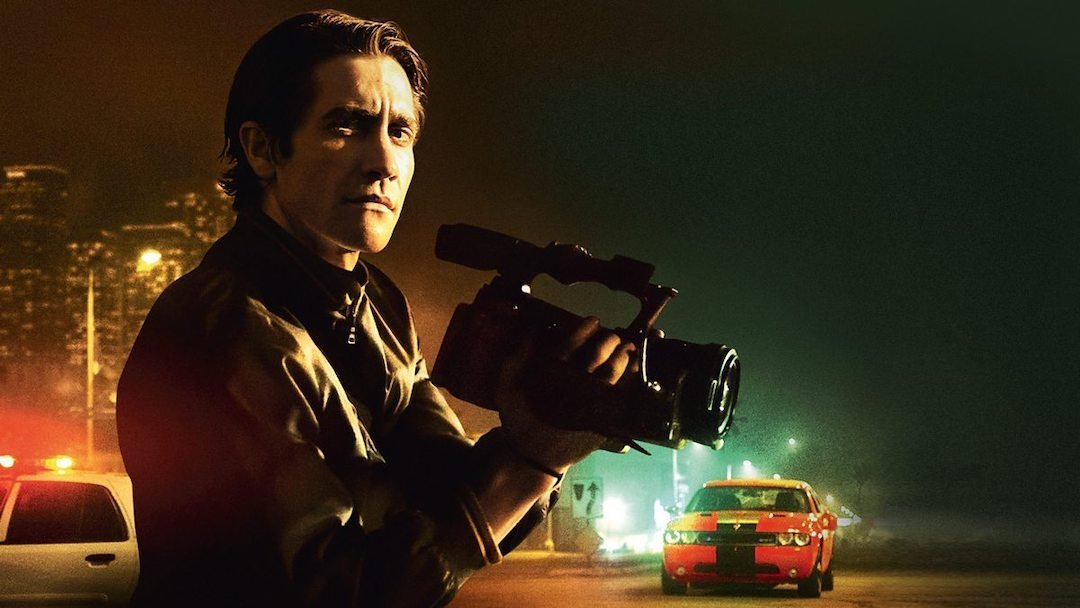
You can have a downright nasty protagonist. Not just an antihero like Deadpool, or an unsavoury like Rizzo (Midnight Cowboy) or even an outcast such as Kevin Bacon’s paedophilic character, Walter, in The Woodsman. Your character could be the devil himself, or worse, he could be Nightcrawler’s Lou: It seems the audience will still root for him if you provide consistent conflict.
Indeed, Nightcrawler was one of my first three research films, the one which initially revealed that even without altruism or the suggested accompanying positive outcome; even without the character having experienced clearly defined loss, if you provide enough conflict for your character to overcome, the audience will be on their side. They may not like the character
presented, they may even dislike them, but they will still be vested in the story and want to see the protagonist succeed in surmounting that seemingly insurmountable problem.
The Conclusion
So what’s the definitive answer?
If you want to ensure audience engagement on an emotional level – even when your lead is unlikable, then follow these three simple rules:
- To support engagement, ensure your character’s motivation is altruistic. So long as they are acting to help someone else, their bad behaviour is seen more as a sacrifice than scandal. In addition, a positive outcome is good. These aren’t dealbreakers but they help.
- Weigh the character with loss. Whether historical or during the on-screen journey, the inclusion of loss will enable the audience to bond through the shared experience of grief. This is important but not decisive.
- Conflict, Conflict, Conflict! The higher the conflict the more the viewer will overlook the character’s flaws, deeds, and deviancies. Just ensure the wall your protagonist needs to climb is more overwhelming than their wrongdoing and maintain that balance of problematic pressure. Internal or external… in fact, include both if you can, but ramp up that conflict and your audience will find they are rooting for the antihero.
So, if you’ve been given the onerous task of making Kronos the good guy after eating his kids, or showing Freddy Krueger in a better light… now you know the ‘Emotional-Engagement Formula’, it’s as easy as one, two, three. Well, that’s my story and I’m sticking to it!

For EE Martin, film is the omnipresent love affair. From stage school, to writing scripts and producing her first feature film in her 20s to now completing a Filmmaking MA at Raindance, London, film has been the glue linking it all together.
EE Martin has a varied background in entertainment, including performing Ballet (ENB), Opera (ENO), Pop (Tricycle/Sony Subsidiary) and Acting (Globe Ed Theatre), to being a Magicians Assistant (Simon Drake), and Modelling (Harley Davidson, Vidal Sassoon).
A self proclaimed philomath, she studied Law at University with a BA with History & Literature, a BSc Honours in Psychology, and Diplomas and Certificates in such diverse fields as Hypnotherapy and Reiki to Haircutting and Karate.
She is now starting a Blog to follow her passions: Filmmaking, home educating her daughter (@bronteelizabeth.actress) and boat life with their chihuahua ‘Tiny’ and cat ‘Wiggly’… and hanging out too much on Instagram @e_e_martin – drop in and say hi!

Amazing article, totally agree😊