

I would say that my journey to becoming a filmmaker started before I was born, when my parents arrived in the UK as migrants in the late-50s and early-60s. They were a part of the first wave of post-war migration, and the experiences I had growing up was coloured by the things that I witnessed as a child – the way that migrant communities all had different backgrounds and different sets of stories, but in other ways had a shared experience rooted in a kind of frontier mentality that I found inspiring.
Growing up, I wasn’t very academically minded. The education system isn’t something that was compatible with my process of learning, and it felt very unnatural to me. I failed most of my GSCEs, scraped through my A-Levels, and was proud of the fact that I managed to get a degree in psychology. But I would say that, overall, the school system was stifling.
Unfortunately, I lost my father when I was 5 years old and my mum became a single parent. Our situation was precarious for a while, and it taught me a lot about survival. It also instilled in me some positive work habits that are still with me today. I started working at a young age, and ran the house whilst my mum was working long days at the factory. My jobs would include working in a local cafe, cleaning and working in Mcdonalds. I felt those early years taught me a lot.
At 18, I moved to London for university. London was a place that I had been coming to since I was about 13, and was the place where I was introduced to the wider world of ‘art’ that wasn’t accessible to me in Wolverhampton. The wealth of things I was able to see ingrained in me an appreciation of different cultures, history, and also alternative ways of storytelling.
By the time I arrived at university, I was in a way independent for the first time. I spent my days studying and working, and my nights in full appreciation of the city’s rave scene which in the ‘90s was in full swing.
Immediately after I finished my degree I did what most people did and got a job in the City. This was mostly because I had debts to pay, and I wanted to build a career in London.
This ended in my thirties when I focused on my family and raising children. It was at this time that I started to reevaluate what I wanted from a career. And I suppose that seeing my children grow up, I was reminded by my own interest in art and storytelling that I formed during my early experiences in London.
When the children became old enough, I put a renewed focus on my career, only this time I shifted gears and became a filmmaker. I had my own ideas for the kinds of films I wanted to make, and borrowing from my parent’s entrepreneurial spirit, decided that the best way to execute this was to form my own production company, which is how Galeforce Films was born.
I had spent a lot of time in Scotland, and learning about the fascinating life of Andrew Carnegie. He was considered a robber baron, who then devoted his life to philanthropy and peace activism. He was a complicated individual, and I found that appealing enough that I decided to make him the subject of my first documentary – Andrew Carnegie: Rags to Riches, Power to Peace – which I produced.
After this, I wanted to make something that spun off from my deep interest in music that I developed during my university years, while also looking for ways to bring something that was personally meaningful into the perspective of the story. I started developing music documentaries set in India, where my parents are from, and the US, looking at artists that have in some way or the other been overlooked, and giving them a new platform on which to shine. During this process, I was introduced to some brilliant female filmmakers in the documentary space who I was collaborating with.
Directing films myself was not something that was planned. When lockdown happened, these projects had to be put on the back burner. In particular because they required accessibility to various locations, and travel just wasn’t possible. That’s when I once again decided to take matters into my own hands, and instead of waiting for a film to come to me, I took on the challenge of directing myself.
The end result of this is Hostile. The process of making it was an ever-evolving one, that I describe as an investigation. It started with my parents’ experiences coming to this country as a kind of foundation on which I was able to personally reflect on how migrant communities were affected by the pandemic, and ended up as an overarching look at the UK’s hostile environment immigration policies and the impact they have on our migrant communities.
The experience has been life changing, and while I will continue to produce films, I have no plans to stop directing either. My inspiration has been the memories I have of growing up in Bilston in a thriving migrant community, and the idea of different communities and the stories that spring from them will continue to inform my filmmaking going forward.
Tickets available for upcoming screenings and Q&As of Hostile.
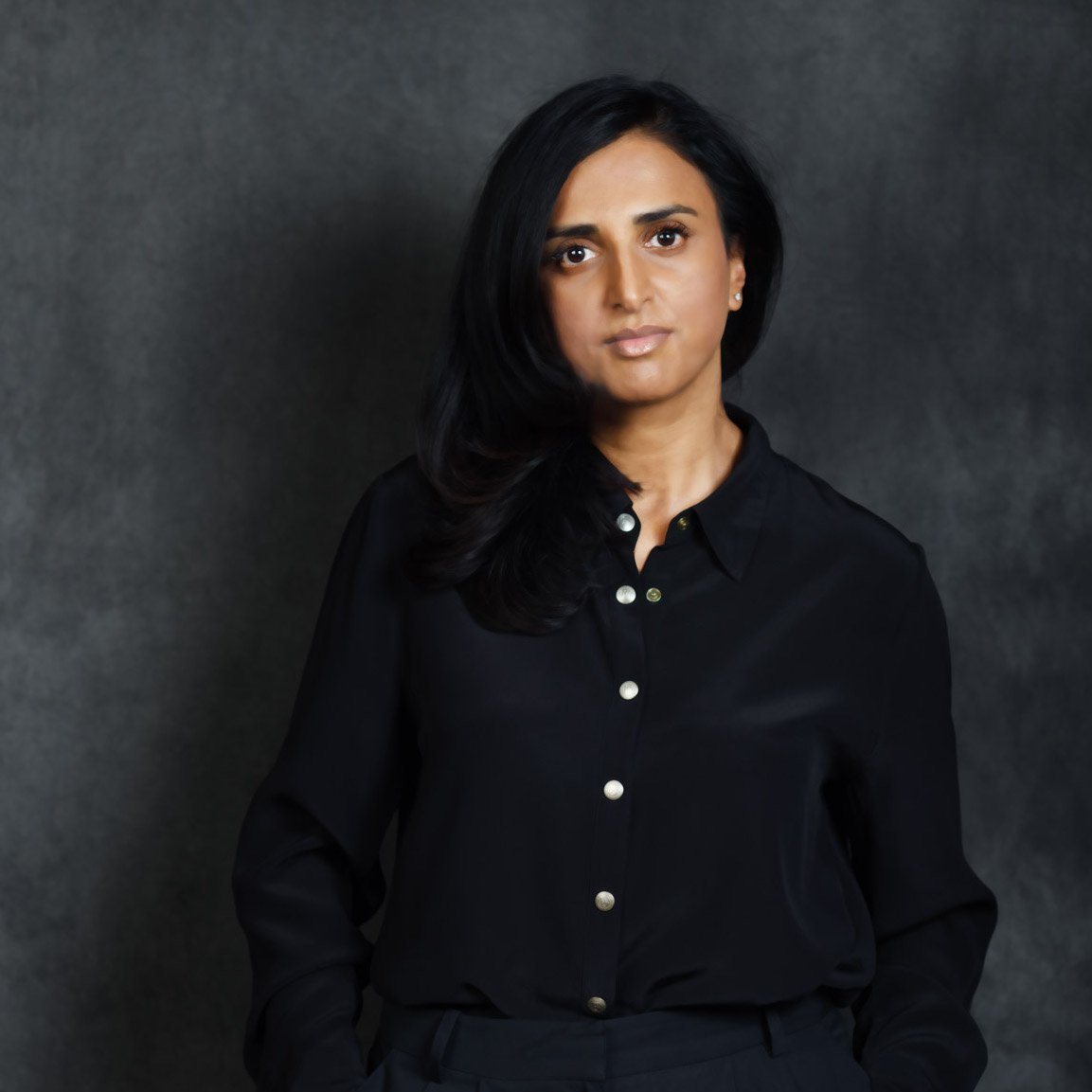
Sonita Gale is a Writer, Producer, and Director. Elevating the stories of marginalised communities is at the forefront of her work.
Her producing debut Andrew Carnegie: Rags to Riches, Power to Peace – narrated by Golden Globe-winner Brian Cox – premiered at the Edinburgh Film Festival in 2015.
Sonita’s directorial debut, Hostile, is an award-winning, BAFTA and BIFA-longlisted documentary exposing the ‘hostile environment’ for migrants in the UK. Hostile premiered at Raindance in 2021, has screened at cinemas across the country, and has been selected for several international film festivals.
As Producer, Sonita is currently collaborating with the Emmy award-winning Director Geeta Gandbhir.
