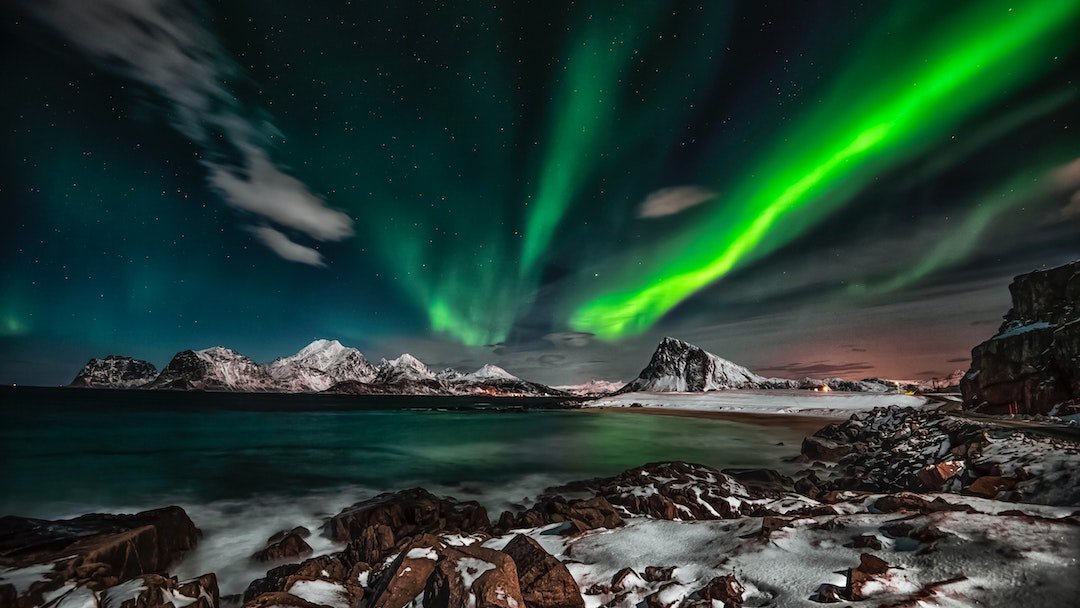

Imagine that you have always dreamed of filming beautiful polar bears in the Arctic circle. You make your way to Baffin Island in Canada, Kaktovik in Alaska, or Svalbard in Norway, and you expect to find them out and about, strategically hunting for seals or scavenging on animal carcasses. Except the bears don’t appear for hours and even in the spring, the temperature can drop to -40. Then there are the strong Arctic winds—far more intense than you ever imagined they would be. Filming nature and wildlife in the Arctic circle is different from doing so anywhere else. Getting to a great animal watching spot, staying warm, and ensuring you have the right equipment, are just a few of the many features of your trip that you need to plan well in advance.
Battling Climatic Challenges
Climatic change has caused photography and filmmaking in the Arctic to be a much more dangerous pursuit than in the past. Locations like Svalbard are experiencing dramatic melts, followed by overnight temperature drops, and the result is a transformation of the roads into treacherous ice rinks. Then there is the problem of permafrost—which is simply impossible to walk on. To overcome this challenge, there are two main strategies to embrace. The first is dressing for the occasion. Expect to wear several layers of special arctic clothing, including a base layer top and bottom of sustainable wool, an insulating layer, waterproof top layer, a balaclava, gloves, insulated winter boots, and hand warmers. You will also need to protect your equipment, keeping it inside a waterproof backpack.
Working With Animals
Any camera operator worth their salt wants close, beautiful shots of their subjects, but the welfare of the animals you are filming comes first—and so does your safety. If you asked Americans what the riskiest jobs were, they would probably answer “logger and tree cutter,” “roofer,” or “miner” but those delving into creative pursuits—particularly those involving wild animals—can be dangerous too. Stay at a safe distance from wildlife, and avoid startling or annoying them by working silently. Record both wides and close-ups on a regular basis to keep viewers interested. Try to recall iconic nature documentaries and their appealing composition changes. Avoid autofocus, really honing your manual focus technique. Use your focus ring to follow and change your focus along with the movement of the animals you are filming. This skill takes time to perfect, but the moments it enables you to capture are worthwhile. Avoid adjusting your zoom frequently, doing so only when you are keen to capture a specific action. It can make your end product look rough and interfere with the ambience of the moment you are setting up. Finally, remember the tiny details that surround the animals. Take lots of filler shots that not only highlight the beauty of nature, but also set the scene for the action you capture.
Limited Daylight
In the winter, the Arctic circle experiences long periods of darkness with little to no sunlight. Meanwhile, in the summer, the light can seem endless. Choosing the best time to visit the Circle—one with the perfect amount of sun to capture the nuances you seek, but also the darkness and shadows of sunset and dusk—involves thorough planning. In general, filmmakers travel between June and September (the high summer), since the weather is more bearable and the seas ice starts breaking up, thus allowing cruising vessels access. Many film their subjects from aboard these vessels, since it enables them to get closer to animals like polar bears and whales.
Remote Sites
Many areas in the cold Arctic are sparsely populated and difficult to access. As such, you can expect to pay up for a private boat or plane to drop you in your chosen spot. This is the case for filmmakers wishing to capture the lives of penguins in the Antarctic as well. Private rentals overnight can cause from a little over $500 to over $3000, depending on the size of the boat and how many people you wish to accompany you. Boat hire is an excellent investment if you plan on selling your footage, since skippers will have specialized knowledge of the local area and secret spots from which to spot wildlife. Boat types vary too, and can range from small sailboats to small and large motorboats. Go with rental companies with a solid reputation or, better yet, one that has been personally recommended to you by colleagues.
Filming in the Arctic Circle is a challenging yet rewarding endeavor for filmmakers seeking to capture the breathtaking beauty and unique wildlife of this remote region. From battling extreme weather conditions and limited daylight to ensuring the welfare of animals, there are numerous factors to consider. Despite the challenges involved, the opportunity to capture unique moments in the lives of majestic polar bears and other incredible wildlife in their natural habitat is an experience that can produce awe-inspiring and unforgettable images. Do your research, prioritize safety, and remember to capture the beauty of the surroundings, as well as the animals themselves!

Before starting out as a full time writer (and now also a working mum), Ali worked in health and safety for her local authority. In her free time she supports a couple of mental health charities dear to her, and she’s also a silent film geek – with a passion for early 20th century cinema.
