
Getting ready for a role in an upcoming film is about more than building big biceps and toned abs. If you’re cast to portray a character with action-packed scenes, you’ll need to treat your body right and train hard for the specific demands of the part.
Tailoring your fitness plan should help you perform choreographed movement patterns, too. For example, if you’re featured in a film with plenty of fight scenes, you’ll likely want to partake in some martial arts classes to gain some skills and increase your athletic aptitude.
Beyond looking the part, a well-made fitness plan should support your health and help you avoid injuries. This is key if you’ve taken on an ambitious role and are expecting to complete some stunts of your own. Developing a strong core and a robust frame can help you shake off knocks and overcome bruises you pick up while trading blows and wrestling co-stars.
Strength and Conditioning
Undergoing extreme body transformations is not good for your health. However, if you’re playing the part of a superhero or action star, you’ll probably need to gain some strength and improve your conditioning in order to meet the demands of swordplay, stunts, and fight scenes.
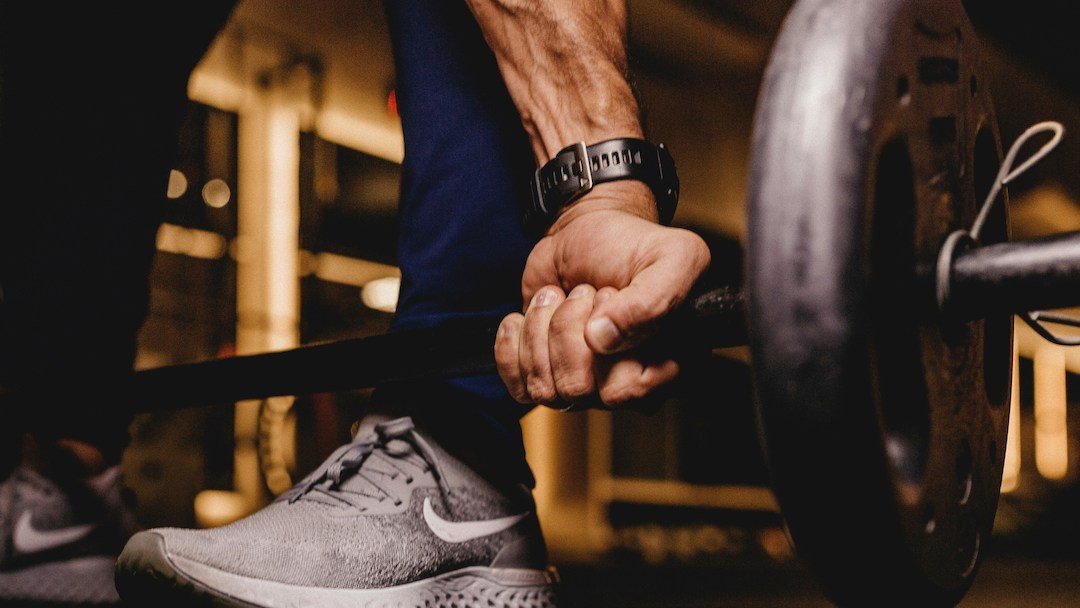
A good strength and conditioning coach will prescribe low-risk compound barbell movements like trap-bar deadlifts and squats to improve your strength. This is an approach championed by actresses like Brie Larson. In preparation to play Captain Marvel, Larson used compound movements to gain strength and improve her conditioning. Compound movements are perfect for these roles, as they’re easy to replicate and can be progressed safely over time. This means you know when you’ve become stronger as the weights have increased over weeks and months.
When working with your trainer, be sure to note any conditioning requirements for the upcoming shoot. You shouldn’t have to be able to run a marathon to play the lead in a biopic about a distance runner. However, you should be able to perform multiple high-quality takes without getting out of breath or becoming excessively fatigued. To achieve this, you’ll need to partake in some form of conditioning that may involve:
- Circuit training
- Intervals
- Aerobic exercise
Trainers may also prescribe restorative activities like taking a hot tub for improved health. Hot tubs can aid your strength and conditioning goals by:
- Providing stress relief to help you recover after a challenging workout
- Alleviating pain from past injuries
- Improving your sleep to aid recovery and boost your energy during the day
Taking a quick dip can be particularly beneficial if you’re taking your fair share of bumps and bruises during a shoot. Even a short time in the warm water will soothe aching muscles and take the weight off painful joints. Combine this with Japanese anti-aging techniques such as a bathing ritual with epsom salts and lavender, and you have the perfect yin to the yang of intense physical training.
Muscle Gain
If you’ve recently been cast in an action film or are portraying a historical hunk, you’ll likely need to gain some muscle before the shoot. Rather than relying on artificial aids to build big biceps, work with a nutritionist who can turn your hard work in the gym into observable results. This is key, as a muscle-building diet differs from your normal eating habits and requires you to get:
- 30–35% of your calories from protein
- 55–60% of your calories from carbs
- 15–20% of your calories from fat
A good nutritionist will create a meal plan that meets these macronutrient needs while accounting for your preferences. This can make a world of difference if you’re used to eating chicken and rice on repeat while trying to gain muscle.
A professional trainer will also be able to help you achieve that beach-bod without burning out. This is crucial, as you’ll need to remain disciplined when trying to cut body fat in search of heroic abs. Rather than using all of your energy on high-intensity cardio like rowing and sprints, an experienced trainer will likely prescribe easy-going movements like long walks to raise your metabolism and help you enter a caloric deficit.
Mechanics of Movement
Depending on the type of movie you’ve been cast in, you may need to practice certain movement patterns to play the part. Mastering these movements is key if you want to put forward a great performance that impresses the audience. Dedicating yourself to the craft is something that high-profile actors like Keanu Reeves do well, as he is renowned and respected spending serious time on the mats while honing his martial talents.
You don’t need to become the next Bruce Lee to master the mechanics of movement. Instead, abide by general movement principles like:
- Maintain a neutral spine when lifting
- Use your core to retain your stability
- Adjust to your body’s needs when training (e.g. use lifting shoes when squatting if you have long legs)
- Address physical imbalances
Mastering the mechanics of movement can help you stay injury-free while you’re on stage. Training safely can help you avoid accidents and improve your overall fitness, too. Just be sure to check in with a professional trainer on a regular basis, as they may be able to spot issues like muscle weaknesses or poor posture.
Conclusion
Tailoring your fitness plan to meet the demands of your upcoming role is key if you want to thrive in a superhero flick or action thriller. You’ll need to work with a coach who can improve your strength and conditioning if you plan on doing your own stunts, too. Just be sure to combine challenging workouts with proper rest, nutrition, and recovery to avoid injury and get more from your hard work in the gym.

Amanda Winstead is a writer from the Portland area with a background in communications and a passion for telling stories. Along with writing she enjoys traveling, reading, working out, and going to concerts. If you want to follow her writing journey, or even just say hi you can find her on Twitter.
