
Most filmmaker’s budgets don’t allow for multi-session orchestras, choirs and soloists. Indie filmmakers need their musical scores to hold up to the audience’s expectations. This can be difficult to do, especially in a genre dominated by iconic scores throughout filmmaking history. Fantasy is an ambitious and exciting project for any composer to take on.
Layering dozens of vocals and instruments has become a prerequisite for the genre. Swelling brass, warm cellos and sprightly clarinets populate a fantasy film’s score. The stories are always big, the music has to be as well. For a composing team of only two, scoring a fantasy album was a challenge they couldn’t wait to take it on.
Gerardo Garcia Jr. and Isabelle Engman met at university. Their program was Scoring for Motion Pictures and Television at the University of Southern California. (the program has since been renamed to the Screen Scoring program) Since then they’ve scored for major films, video games and commercials.
Over the past three months the composing duo have challenged themselves to build an Epic Fantasy Album. Now that they’ve finished, they’ve chosen to give it away freely to the community. Their downloadable royalty-free music can be found at SoundsCrate.
The music is hosted on ProductionCrate.com, no payment is required but you must sign up to download. Contact Support@productionCrate.com for any questions or assistance
Scoring music for online libraries is fun, but the open ended usage makes it difficult to find inspiration. For the Fantasy genre, this is especially true. There was no film or book to pull ideas from. The project started with nothing. No source material, no characters, no story. This didn’t deter Isabelle or Gerardo. It was an experiment they dove into head first.
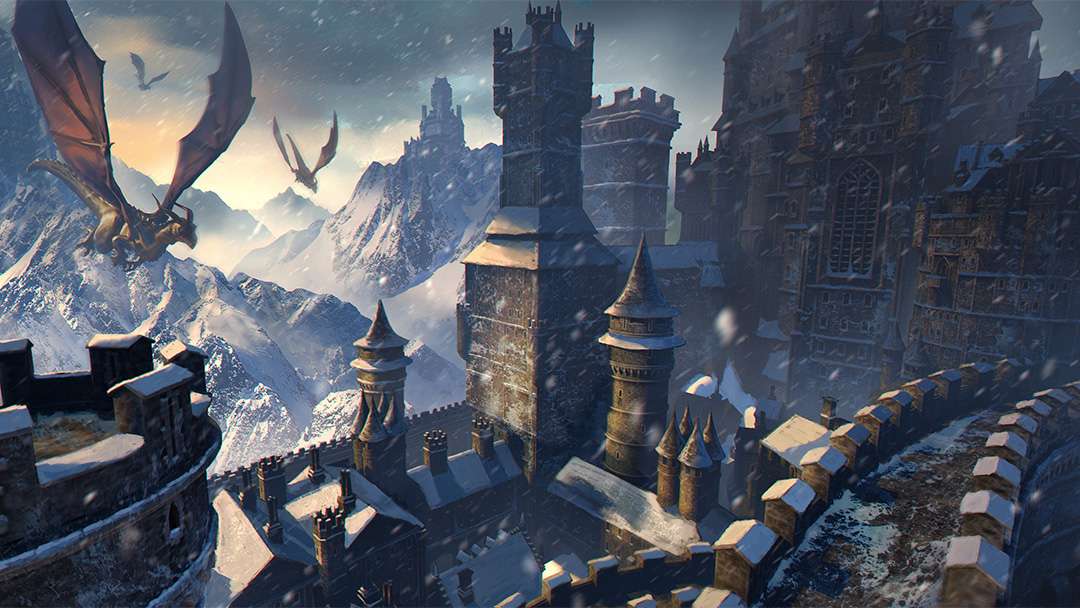
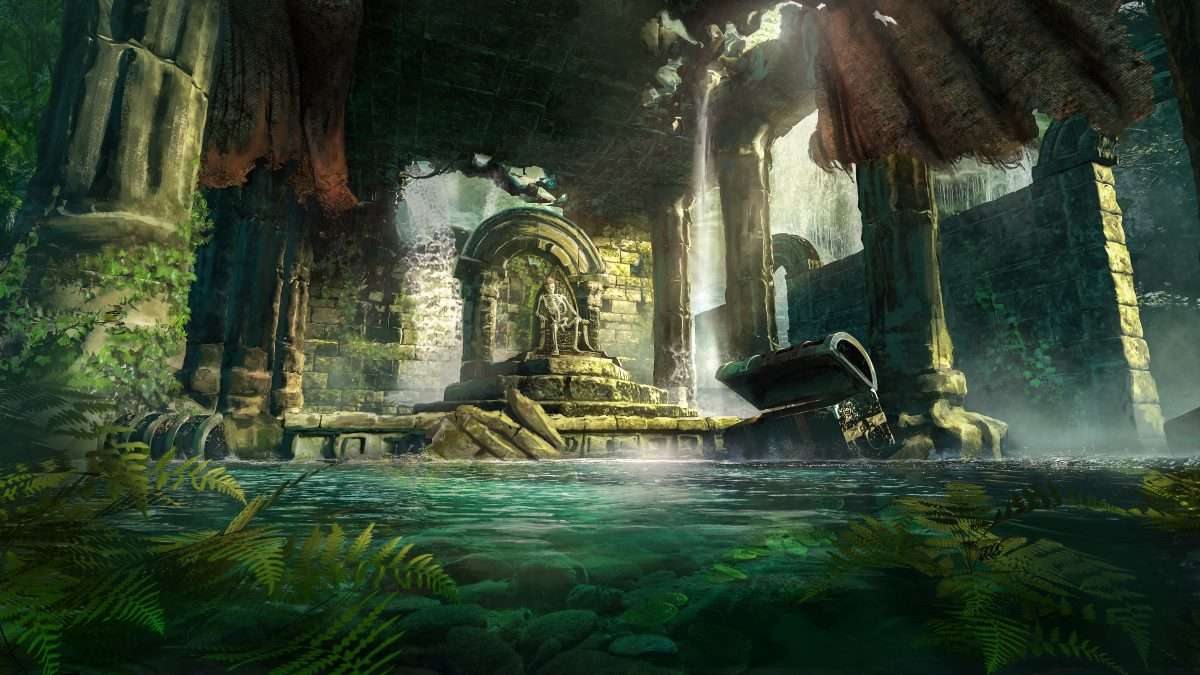
How do you even start to compose narrative music without a story? Their solution; make one up. Working closely with concept artists from ProductionCrate, the composers built an entire world to draw inspiration from. They wove a story of Knights, dragons, snow capped mountains and forgotten treasure. The body of the story was set, now they just needed to give it a voice.
Being able to visualize the narrative lent them the direction they were looking for. Their imagination could fill in the gaps. The art and the music began to work together in harmony. Just listening to the music you can begin to imagine the story it’s telling, without it needing a single lyric.
The artwork gave clarity to the world they wanted to build. Mixing motifs and themes represented alliances and betrayals. Changing instruments and tone helped the music travel to new lands. As the story took shape, the album followed.
Collaboration between creative disciplines is a sure fire way to ignite new ideas. If you ever find yourself adrift, unable to even begin, look towards other artists. The best ideas are rarely at the beginning of a project. They develop over time. Bouncing ideas and excitement back and forth until you strike gold.
You’ve likely found that it’s easier to critique someone else’s work. You’re lending a fresh, unbiased perspective. Don’t wait until the project is over to utilize that power. Working with other creators assures a level of external originality you’ll never get from inside your own head.
Composing is a balance of intention and creativity. Scoring is a universal language, communicating our most complex emotions through music. In a sense, composers like Isabelle and Gerardo are masters of manipulation. They can make us feel so strongly that we physically react. Our hearts will actually speed up with the excitement of their music. Somehow, they do this without us really noticing.
When you visualize an army of helmed soldier’s marching in sync, the score should be a tight, predictable rhythm. If your character is exploring, a bright and loose motif brings the viewers on the adventure. Our favorite fantasy series all have recognizable music. The scoring is bold, powerful and intrinsically sewn into the story. You might have difficulty recalling a single Marvel movie song, but I bet you can remember music from Lord of the Rings.
Howard Shore’s vision for LOTR has impacted filmmakers since. His music is some of the most iconic and recognizable scoring in film. He was provided the budget to achieve exactly what he set out to do. Gerardo and Isabelle were not.
Not to be deterred, they were able to compose their 30 track album with their limited indie resources. This was done using just one computer. The digital revolution for composing has enabled small budget projects to have that recognizable big sound we’ve come to expect from the Fantasy genre.
Gerardo and Isabelle used the powerful audio software Logic Pro, but recommend any DAW (Digital Audio Workstation) for anyone looking to compose their own music. You can find and use real instrumental libraries, or record your own. Piece by piece you can become your own orchestra, fine tuning each instrument and player as your composition progresses. Not only can you recreate the sound of an orchestra, but you can do it all from home.
This project started out as a challenge for two composers to recreate the sounds of an entire orchestra. Their skill and proficiency has improved while composing the album. Give it a listen, and download it yourself. You can remix it for your own films or utilize it as quality temp music while you edit your story.
The projects you’ll learn the most from are often the most challenging. Collaborate with other creators and make them happen.

Christopher Kelly is a Post production generalist, usually focusing his time with VFX for FootageCrate. Chris loves to write about new technology for filmmaking, and how it’s enabling indie filmmakers to achieve what would have been impossible just a few years ago.
