
They say your first time changes you forever. That’s certainly true of love, heartbreak… and movies.
For me, it happened in the unlikeliest of places. I was sixteen years old, growing up in a strict Mennonite community just outside Toronto. The kind of upbringing where television, cinema, and any worldly art were forbidden. We were taught that cities were dangerous, storytelling was sinful, and the devil resided in flickering screens.
But one fateful autumn afternoon—during harvest season, no less—I was sent into town to fetch a part from the blacksmith. My father assumed I’d be back by noon. The repair, however, would take three hours.
Three whole hours… in a town with a cinema.
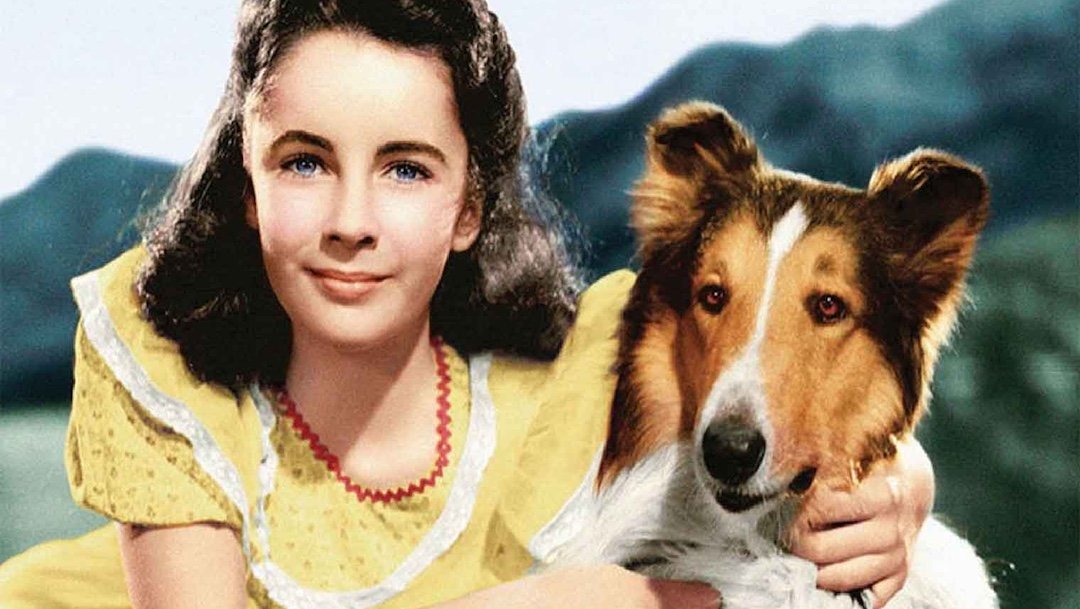
What happened next might sound trivial to some. But to me, it was the birth of a new universe. I walked past the cinema three times before summoning the courage to go in. The marquee read: Lassie Come Home. I paid for my ticket with shaking hands, stepped into the cool, dark theatre—and felt my life begin.
Why First Films Matter
People often ask why I started Raindance, or what drives me to champion new filmmakers and debut directors. The answer is simple: because I remember what it feels like to fall headfirst into the magic of cinema for the very first time.
Your first film—the first one you see on the big screen—hits different. It bypasses logic and lands straight in your nervous system. You’re not analysing the cinematography or dissecting the plot. You’re being moved. Overwhelmed. Possessed. And if the film speaks to you on some deep, unspoken level, it plants a seed that can shape your entire creative future.
Lassie Come Home: A Modest Film with an Immense Impact
Let’s be honest. Laddie Comes Home isn’t Citizen Kane. It’s a quiet, sentimental family film. On paper, it’s about a boy and his dog—hardly revolutionary stuff. But for me, it was a revelation.
Here was a world I’d never seen: lush forests, warm-hearted families, emotional stakes that felt life-and-death. A story not written in scripture, but told through light and sound and performance. I remember the moment Lassie was lost, and the entire theatre held its breath. I remember the boy’s heartbreak—and mine. Then I cried. In public. At sixteen.
That film broke the spell I’d been living under. It didn’t just entertain me; it gave me permission. Permission to feel deeply. To imagine other lives. To question the narrow world I’d been born into.
The Power of Transgression
I wasn’t just watching a film—I was committing an act of rebellion. I knew if my parents or elders ever found out, I’d be in serious trouble. But that was part of its power. Cinema, I realised, wasn’t just entertainment. It was transgressive. Dangerous. Sacred.
And it wasn’t just what was on screen—it was everything around it. The smell of popcorn. The hushed crowd. The thrill of the projector whirring behind me. For someone raised to fear the city, this darkened room in a strange town became the most spiritual place I’d ever been.
Planting the Raindance Seed
It would be many years before I dared to set foot in another cinema. My journey out of the Mennonite world was slow, painful, and costly. But that first film never left me. It was like a frequency I could suddenly hear—a signal from a better world.
Years later, when I started Raindance, that memory came rushing back. I didn’t want just another film festival. I wanted to create a space where that kind of first-time magic could happen—not just for audiences, but for filmmakers too.
That’s why Raindance has always prioritised first-time directors. Because I remember what it was like to be transformed by a film. And I know that the most revolutionary art often comes from outsiders. People with no formal training. People who were told “you’re not allowed.” Or, from people just like I once was.
First Kicks, Lasting Legacies
Your first film doesn’t have to be great—it just has to be yours. It’s not about the film; it’s about the feeling. That’s what sticks with you. That’s what turns passive viewers into lifelong cinephiles, rebels, artists, and dreamers.
For some, it might be Star Wars or Spirited Away. For others, Bicycle Thieves or The Lion King. It was Lassie Come Home that got me. A modest, forgotten movie that kicked open the door to a life in film.
It’s why I later launched the British Independent Film Awards, to celebrate the underdogs and the overlooked. The ones who may not have a studio behind them, but who have heart, guts, and something to say. I believe independent filmmakers are the lifeblood of cinema—and it all starts with that first electric connection to a story on screen.
If You’re Reading This…
…there’s a good chance you’ve had your own “Lassie Come Home” moment. Maybe it was recent. Maybe it was years ago. Or, maybe you’ve always dreamed of making your own film, or starting your own cinema, or launching your own festival.
My advice: do it. Don’t wait for permission. Don’t wait for the right time. The world doesn’t need more perfect films. It needs more people brave enough to try.
Cinema saved me. And it started with one dog, one boy, and one chance encounter in a small-town theatre.
The Raindance Pirouette
At Raindance, we believe your first film—whether you make it or watch it—can change everything. That’s why we champion raw talent, risky ideas, and debut storytellers. We don’t care if your budget is zero or your cast is your cousins. If your film comes from the heart, we want to see it.
So here’s your invitation:
Step into the light. Submit your first film or screenplay. Come to Raindance. Let someone else fall in love with cinema for the very first time—because of you.
And remember: sometimes, all it takes is one film… and three hours to kill.
Ready to Start? Want to make a movie?
Here’s your challenge:
- Write a 1-page film idea tonight
- Shoot a 1-minute short on your phone this weekend
- Send it to someone you trust—or to us
And most importantly…
- Come to Raindance.
- You don’t need to wait.
- You just need to begin.
🟨 Want to join the next Saturday Film School?
🔗 Book here – It could change your life in 8 hours.
🟩 Or fancy the 99-Minute Film School with Elliot Grove?
🔗 Find out more – It’s fast, it’s funny, and it’s ferociously empowering.
Feeling like making an impact?
- The Independent Film Trust raises money for good causes.
- Find out how to make an impact here →

Photo Credit: Bertie Watson
I founded Raindance Film Festival in 1993 because the British film industry was closed, polite, and congratulating itself while shutting new filmmakers out.
I co-founded the British Independent Film Awards in 1998 because British indie film deserved more than a shrug, a pat on the head, and a Tuesday night screening.
Raindance didn’t start as a brand. It started as a rebellion: film training without gatekeepers, a festival without permission, and a community built by filmmakers who weren’t waiting to be invited in.
Later, we took it global: Toronto, Vancouver, New York, LA, Berlin, and Brussels, because independent film doesn’t belong to one city, one class, or one accent.
I’ve produced 700+ short films and seven features, including Deadly Virtues (2014) and ALICE, which won the SXSW Grand Jury Prize (2019) not because someone “discovered” us, but because the work earned its place.
I’ve written three books used by filmmakers worldwide because too many courses taught compliance instead of survival.
In 2009, I was awarded a PhD for services to film education, ironic, given that most of my career has been about tearing down the rules that education insisted you follow.
I don’t believe in waiting for permission.I believe in making work, building systems, and forcing the industry to catch up.
Specialties: Independent Film (the real kind) · Producing · Writing · Film Education · Festivals · Breaking Broken Systems
Check out my new Substack for in depth Free Articles:
