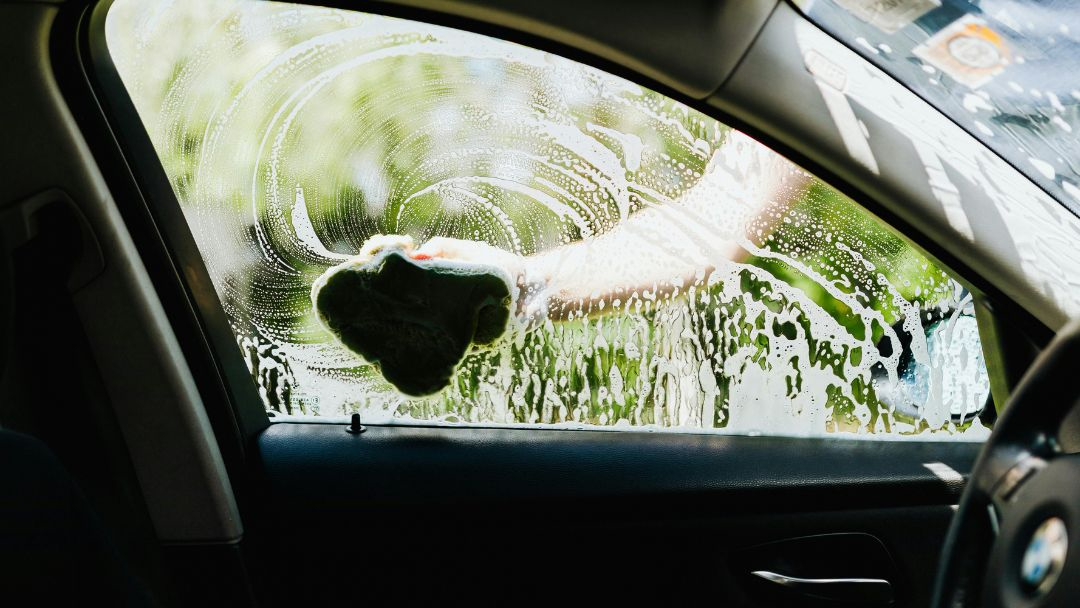

Everyone wants to be seen as creative, inclusive, and purpose-driven. But beneath the glossy sponsorships and red-carpet partnerships lurks a familiar trick: culture washing — when brands, corporations, or even governments use art and film to cleanse their image.
If greenwashing is pretending to be sustainable while polluting the planet, culture washing is pretending to care about creativity while exploiting it for PR.
How Culture Washing Works
A company with a damaged reputation needs a makeover. So it sponsors a film award or funds a “storytelling for social change” campaign. Overnight, the conversation shifts from corruption to creativity.
You’ve seen it before:
- A fossil fuel company funds a “climate innovation” film.
- A tech giant accused of data mining backs a documentary about “connection.”
- A luxury brand under fire for labour practices launches a “female filmmaker” showcase.
It’s not philanthropy — it’s camouflage.
The Filmmaker’s Dilemma
Independent filmmakers are particularly vulnerable because we’re always chasing funding and exposure. We tell ourselves, “If their money lets me make my film, what’s the harm?”
But when the sponsor’s values contradict your story, that’s not support — that’s manipulation.
At Raindance, we’ve said no to plenty of offers that would have compromised our independence. We’ve also been turned down for public money 38 times. But I’d rather be broke than branded.
True independence means telling your story — not selling someone else’s.
The Global Face of Culture Washing
Culture washing doesn’t stop with corporations. Governments do it too. It’s called nation branding — funding film festivals and art prizes to project a modern, progressive image while repressing voices at home.
If you’ve ever attended a glamorous film event funded by a country known for censorship, you’ve witnessed culture washing up close.
They’re not buying art. They’re buying legitimacy.
Why It Matters
Culture washing pollutes the creative ecosystem. It turns festivals into branding platforms and makes audiences cynical.
When the public stops believing artists, the culture collapses.
We don’t need purity — we need integrity.
Before saying yes to a partnership, ask:
- Do their values align with mine?
- Are they supporting the work or using it?
- Can I be transparent about this funding?
If the answer’s no, walk away. Or better yet — use the opportunity to challenge them with your work.
The Raindance Mantra
At Raindance we say: “Discover. Be discovered.”
That doesn’t mean “discover a sponsor.” It means discover your voice — and be discovered for your courage.
Culture washing thrives on silence. Filmmakers destroy it with truth.
Because if art doesn’t challenge power, it’s not art — it’s advertising.
Read my full post over on my new Substack.
Join the movement.
Keep independent film truly independent.
 Join Raindance Membership

Photo Credit: Bertie Watson
I founded Raindance Film Festival in 1993 because the British film industry was closed, polite, and congratulating itself while shutting new filmmakers out.
I co-founded the British Independent Film Awards in 1998 because British indie film deserved more than a shrug, a pat on the head, and a Tuesday night screening.
Raindance didn’t start as a brand. It started as a rebellion: film training without gatekeepers, a festival without permission, and a community built by filmmakers who weren’t waiting to be invited in.
Later, we took it global: Toronto, Vancouver, New York, LA, Berlin, and Brussels, because independent film doesn’t belong to one city, one class, or one accent.
I’ve produced 700+ short films and seven features, including Deadly Virtues (2014) and ALICE, which won the SXSW Grand Jury Prize (2019) not because someone “discovered” us, but because the work earned its place.
I’ve written three books used by filmmakers worldwide because too many courses taught compliance instead of survival.
In 2009, I was awarded a PhD for services to film education, ironic, given that most of my career has been about tearing down the rules that education insisted you follow.
I don’t believe in waiting for permission.I believe in making work, building systems, and forcing the industry to catch up.
Specialties: Independent Film (the real kind) · Producing · Writing · Film Education · Festivals · Breaking Broken Systems
Check out my new Substack for in depth Free Articles:
