

Movie production is stressful, so forgetting the little things is easy. Your focus is on getting the best shots, managing your crew and becoming the next big thing in independent filmmaking. The morning schedule might not allow time for in-depth travel bag organization.
While these tasks seem small, they pay off in the long run. Production becomes more manageable with these six tips for smartly managing filmmaking equipment.
1. Label Your Devices
While it may seem simple, labeling your devices is an effective method to stay organized no matter the setting. Labels leave no doubt about what’s inside each case or bag.
Labeling items is essential in film because of the industry’s time-sensitive nature. You only have so much daylight each day for filming, so quick access to your gear is necessary.
The last thing you need is to scramble through your case for a particular item when it could’ve had a label. This problem is more pronounced in areas close to the poles, such as the Arctic Circle. This region gets minimal daylight in the winter, so efficiency is crucial.
2. Utilize Divided Bags
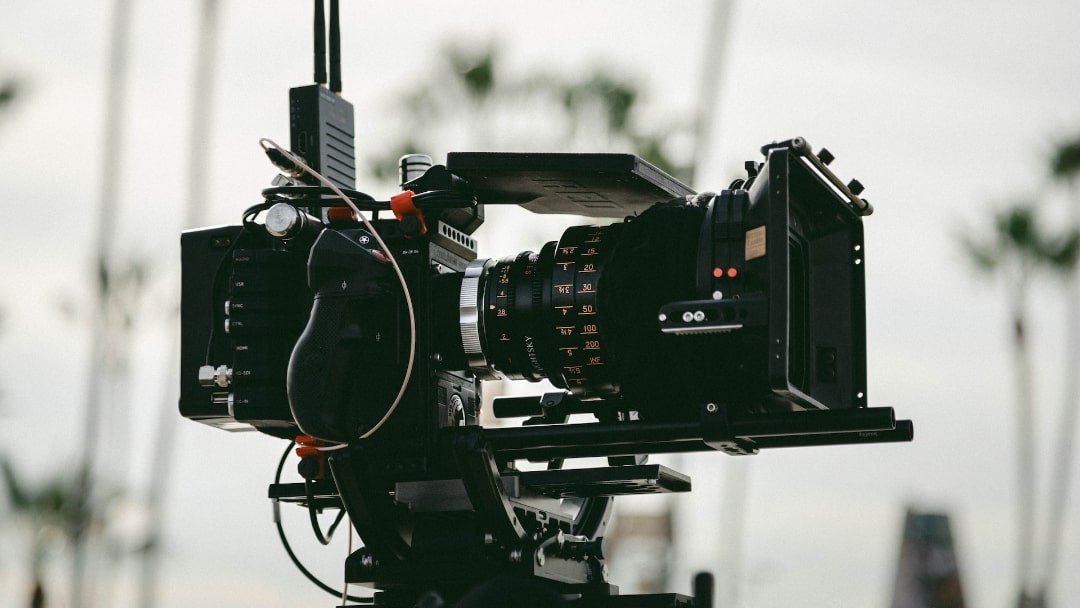
Once you label your equipment, you’ll need somewhere to store it. Regular bags can store your belongings, but you risk collision and items breaking while carrying the cargo. The best protection for filmmaking equipment comes with divided bags and cases.
This cargo option lets you separate the bag into categories, making storage easier. For instance, you could assign particular pockets for camera lenses, batteries, microphones and other necessary equipment.
When searching for bags, producers should ensure their selection has adequate padding in between each section. Most amateur filmmakers have a budget of $25,000 or less, so protecting your equipment and keeping costs down are essential.
3. Bring Cable Organizers
Film production requires a lot of equipment and, therefore, a lot of wires. Controlling cables on set is crucial for protecting the crew because they risk tripping — especially when there’s inadequate lighting in the filming location.
Stepping on the cables also risks damaging the internal wiring and connectors, regardless of their strength. Filmmakers should bring cable organizers to make their equipment more organized and safer for everyone passing by.
Cable organizers protect the crew and the cables themselves. With the organizers, filmmakers have an easier time storing cords inside their bags because there’s less worry about getting tangled. Bundling cables makes them easier to reach when needed and increases their longevity for the film’s duration.
4. Smartly Load the Van
Shooting a film may require driving a production van to the set daily. This vehicle is necessary because it’s the heart of a filmmaker’s on-set operations.
The crew can work inside and prepare for each scene as needed. Another essential function of the van is storage. You can store nearly any filming equipment in the back — make sure you properly organize the van to fit your belongings.
Loading vans seem intricate, but they’re more manageable when you think efficiently from the beginning. For instance, van loaders should start by placing items against the wall before reaching the middle. Remember to store bulky items on the bottom and smaller objects on top to ensure a good weight distribution.
5. Choose Lightweight Gear
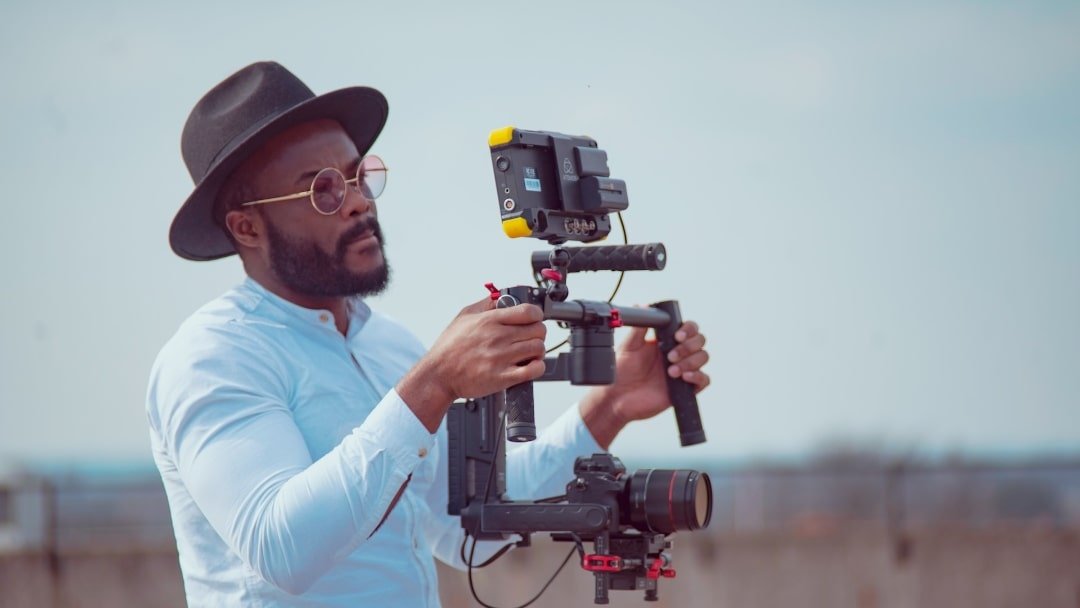
The gear you select is essential because it directly determines how easy organizing and transportation will be on the set. When in doubt, opt for lightweight equipment because it’s typically easier to set up and break down on location. For example, a prime lens is lighter than a zoom lens and is better when searching for optical performance.
Lightweight equipment is a terrific option for lessening the crew’s fatigue and caring for the production vehicles. Keeping the van light is essential for fuel efficiency and preventing wear and tear. Watching the equipment’s weight is even more important when driving an electric vehicle (EV). Light packing maximizes the battery’s range and avoids overexertion.
6. Rent a Storage Unit
You don’t have to rely on your vehicles to carry all of your equipment during production. In fact, this strategy could be a liability when filming. Production vans could become highly desired targets if they figure out the vehicles have film equipment inside. Carjackings are too risky for the crew, considering the U.S. averaged two vehicles stolen each minute in 2022.
Larger productions with expensive gear should consider renting a storage unit near the filming location, if available. This option keeps equipment safe from potential thieves, pests and weather problems. Storage units help the crew stay organized by providing ample space for props, lenses and anything else needing shelter. Most units have climate control, letting them stay cool and dry and avoid extreme weather conditions.
Employing Smart Gear Management for Your Film
Producing an independent film comes with enough challenges, such as raising funds, coordinating schedules and managing personalities on set. The last thing you want to deal with is a messy case or missing gear.
Organizing your film equipment can take some time, but it’s worth the trouble to streamline your belongings and remain efficient. Use these six tips for managing gear for a successful shoot.

