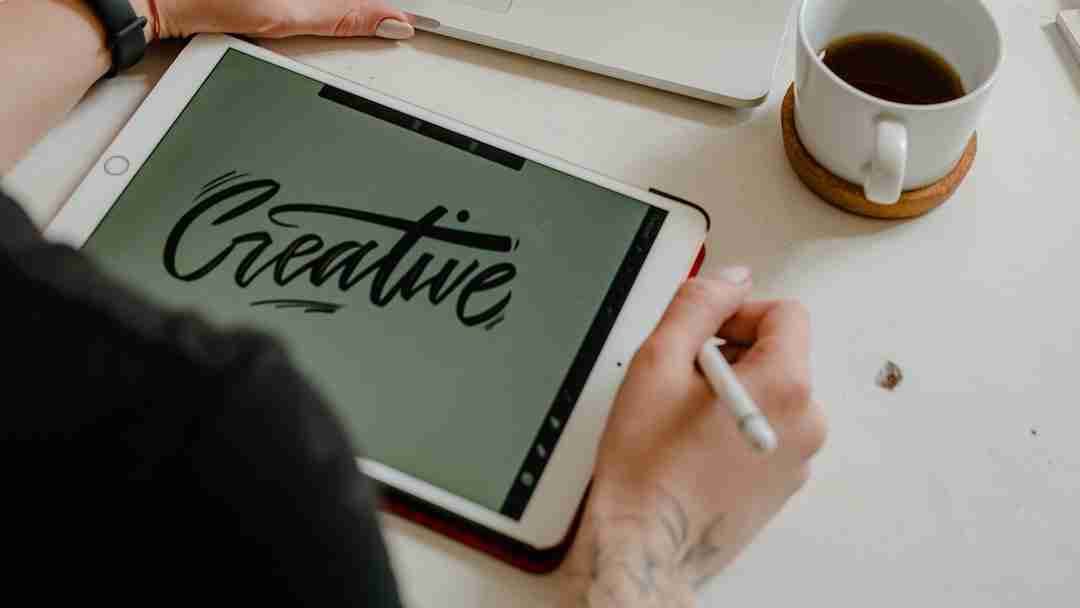

I’ve been working with a lot of really exciting creatives and artists in various stages of their career. And one of the things that I hear so often is, “I’ve realised… and I’ve also realised…”
This moment of discovery is such a great part of the creative process. Necessary, in fact. It feels great! We love that “ah-ha” feeling. Only after you really engage in creative work will you discover what you need to do next and how best to express certain ideas. You don’t get there by thinking about it – you get there by doing it. By engaging.
“You don’t get there by thinking about it – you get there by doing it.”
The creative process is about discovering while, and by, doing. In short, you will grow and evolve and so will your project along with you. This has led me to consider adding another P to The Seven P’s for Powerful and Effective Creating handbook. P for Pivot.
Evolving as an Artist
In this work that you’re doing, you actually get to points where you will need to shift, because you’re not the same person that you were when you started. You grow.
It’s hard to recognise your own growth, isn’t it?
If you’ve ever had kids, you see them all the time so you don’t necessarily see them grow. But if you have a niece or a nephew, or someone you see once a week, once a month, every few months… once a year, you’ll see them and exclaim, “Holy crow, you grew so much!”
You see growth and change in intervals, when you step away and then come back. But if and when you’re in your situation, it’s pretty hard to see just how profound your growth is.
Things change when we’re not watching them, but they’re actually changing constantly. For this reason, it’s really hard to see how much we change or grow when we truly engage in the creative process.
When you start, and truly engage in your project and your creative process, you will grow as much as a two year-old in a short period of time. If you could stand back and see yourself, you’d say, “My, you have grown.”
You grow enormously when you’re engaging in this work, but you don’t see it because you’re there, every step of the process.
Working with the writers and filmmakers I coach, they have this “aha” moment, and then it feels as though it was always there. They just didn’t see it and now they’ve uncovered it. There’s a truth to that. But it’s the growth that allows them to uncover what was hidden and then to see it.
When you make that kind of growth, you also need to shift or pivot.
What is Pivoting?
In our common vernacular, particularly in the business world, to pivot means” to make a big change of some sort.” And very often it can be. Etymologically though, it’s not.
In reality, a pivot is like a point upon which there is stability, an anchor that also frees up the rest of the body to move around.
For instance, in basketball, pivoting is when you plant one foot firmly, while the rest of the body can move freely. The only rule is that you can’t move the pivoting foot. In creative work, that one foot represents the core of who you are and your creativity, but you don’t keep both feet planted, as though you’re ready to defend with all your might. You free yourself up for movement, while also staying true to who you are.
Pivoting in the Creative Process
Where the pivot happens, or in what way the pivot happens, is very different for each person or each project.
I remember working with this woman a couple years ago. She had wanted to write a very specific book. It turned out to be so personal that she was having a hard time even starting telling that story.
She asked, “How do I tell the story of a really challenging life and a challenging family dynamic, without calling people out directly?… And then at the same time, also healing myself?” Or, ‘How will I put it out in the world for other people who are dealing with some of these topics that just aren’t discussed openly?
That was a real burden for her. And so for 10 years, she wanted to write the story. Yet, within just a few months of us working together, she had a realisation, “You know what? I don’t want to write that story.”
That realisation was really important. For one, it allowed her to move on into other endeavours. For 10 years, she had wanted to tell a story, and had been basically holding back or retarding her creative forward movement because she was holding on to this idea that needed to shift. As soon as she began the discovery process in the creative process, she realised she completely had to pivot.
Are you setting yourself up for failure?
Another client had harboured grand visions of how her creative process should be and what she was going to create. It turns out that she had completely unrealistic ideas of the process. And her unrealistic visions set her to prove over and over and over again to herself that she wasn’t worthy of the project. That she was a creative failure.
It turns out that she was just setting herself up for failure by setting completely unrealistic expectations of how much time she had or how much she could accomplish in that time. She thought she should be able to write and illustrate a graphic novel in a couple years, while working a day job and raising a child. When her idea of what she “should” do didn’t work out, she felt like a failure and then gave up. Instead of revising her plans, instead of pivoting her ideas or her process, she quit. Until we worked together. She saw how she was setting expectations that she couldn’t met. She pivoted.
Closer home, when I made Hardball: The Girls of Summer, there were quite a few pivots that actually happened. Including even my purpose, why was I doing this?
At the very beginning, my ‘WHY’ was somewhere between a fascination with the story and also watching my daughters being the only girls on their baseball teams. I’d think, “Isn’t this crazy? There’s a story here. I should make a movie about women who play baseball for my daughters.”
So, I started making a movie about women who play baseball. But then their stories became something so vital that the original idea of why I wanted to do this receded into really honouring the stories of these players. My “why” pivoted, and then ultimately, so did the story.
And then, as it goes with documentaries, what I thought would happen didn’t happen. One particular baseball game, the US Women’s National Team (ranked #2 in the world) got destroyed by a much lesser team and dashed their metal hopes.
All of a sudden, the whole story that I laid out shifted, and in the shifting of reality, the story itself, then had to shift.
Questions to Ask Yourself to Discover Your Pivoting Point
Discovery, as I said, is a part of the creative process? I’ve gone to studios to pitch an idea. Once we’ve sold the idea and come back out and actually written the final scripts, sometimes they’re so different.
There are many ways where pivots happen. But everyone and every project, 100% of the time, needs to make some kind of pivot. The question is, are you going to resist it or are you going to actually relish it? Can you allow the pivot to bring ideas that you never could have seen before? Can you grow up into your new creative self as you continue to move and grow?
As you grow as an artist and creative, you’ll hit snags. There will be writer’s block, and “what ifs.” At such times, one of the major keys to breaking through is to know where the change needs to happen, and then how to pivot.
And with that, I wish you an amazing and powerful creative week. Stay engaged.
Matthew C. Temple is a writer, filmmaker and creative coach with two decades experience in the arts. You can find more of his work on his website.
